Featured Resources

Helping Teens Build a Healthier Relationship with Social Media
Social media is a primary source of connection for many, but it’s crucial—especially for youth—to balance online interaction with real-life socialization. Being intentional about how we engage with content and having open and honest conversations about responsible usage can help set boundaries that support mental well-being.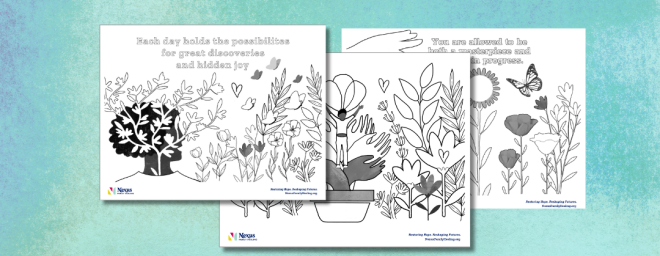
Works of Heart Coloring Pages
Give your brain a break and find some inspiration with our "Works of Heart” coloring pages. Download, print, and share our four hope-filled designs.
5 Fab Ideas: Kids & Spring Cleaning
Encourage your family to take part in spring cleaning while teaching them life skills to create space, reduce stress and anxiety, and boost their overall mood with these five activities.Additional Resources

School Assessments: Tools For a Child's Success
School assessments help identify a child’s strengths, challenges, and needs, guiding meaningful support at school and home. When families and educators work together, these evaluations become powerful tools for growth, not labels for a child’s future.
When Young Children Show Aggressive Behavior
Aggressive behaviors like hitting or biting can be difficult to navigate, but they are often a child’s way of communicating unmet needs or overwhelming emotions. By understanding the root cause and responding with consistency, modeling, and positive reinforcement, caregivers can help children build healthier ways to express themselves. Early support makes a lasting difference.
TV’s Paul Scheer Never Fought With His Girlfriend. That Was a Red Flag.
Actor Paul Scheer reflects on his childhood with an abusive stepfather and how those experiences shaped his relationship with anger, conflict, and identity. Through therapy and conversations with his wife, he began to understand the lasting impact of that trauma and how it showed up in his adult life. He shares how he’s working to break those patterns and build a healthier relationship with himself and his family.
It’s Spring – So Why Aren’t You Happy?
Loneliness is on the rise, and rebuilding meaningful connections can feel harder than ever. As social habits shift and relationships take more effort to maintain, loneliness can quietly become the norm for youth and adults. So how do we begin to recover? It starts with a simple idea: “do then feel.”
Joel Kim Booster’s Parents Found His Diary And Everything Blew Apart
Actor and writer Joel Kim Booster shares his journey growing up in a deeply religious adoptive household where his sexuality and mental health struggles were not accepted. After his parents discovered he was gay by reading his journal, Joel left home at 17 and began building a life on his own while later navigating a diagnosis of bipolar II disorder. In this candid conversation, he reflects on self-acceptance, boundaries with family, and the path toward reconciliation and stability.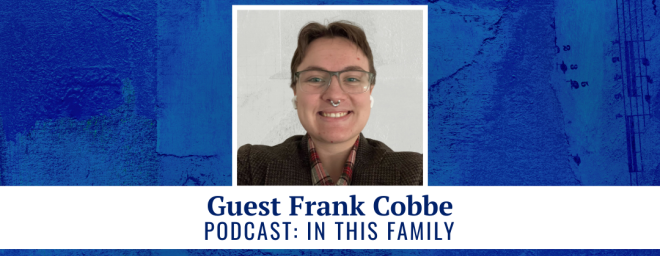
Frank Cobbe and His Mom Team Up to Unlock Both of Their Mental Health Mysteries
At just 22, Frank Cobbe has already done significant work to understand his mental health and support others. After being diagnosed with bipolar II disorder and later discovering he is on the autism spectrum, Frank and his mom began a journey that helped them both better understand their mental health. In this episode, Frank shares how family support, education, and self-discovery helped him make sense of experiences like hypomania and psychosis, and why he now advocates for young adult mental health.
Emergency and Disaster Preparedness for Your Family’s Mental and Physical Health
Natural and man-made disasters in recent news can cause stress, especially for children. As a parent, it’s important to remember that your reactions to these disasters can impact the way your child views the world around them. Remain calm, give yourself time to process and create a plan that works for your family.
Kris Jamieson Was Unclear On Her Own Identity But Very Clear On Her Mom's
Growing up as the only person of color in her adoptive family, Kris Jamieson always knew she was different, but understanding her identity proved far more complicated. From reconnecting with her birth mother to navigating painful family estrangement, Kris shares how race, belonging, and loss have shaped her mental health journey. It’s a powerful conversation about complicated families, clarity around who “Mom” is, and learning to live with depression and anxiety while holding onto your sense of self.