
The History of Nexus Family Healing
Over 50 years of restoring hope and reshaping futures.
Our history is filled with many life-changing milestones!
For over fifty years, we have grown and responded to the mental health needs of our communities, helping thousands of lives along the way. All of the lives changed, children helped, families strengthened, safe homes provided, and ripple effects of hope are thanks to our dedicated employees and to those who support us.
Today, Nexus serves over 4,600 children, families, and individuals every year through services in community mental health, crisis and stabilization, foster care and adoption, and residential treatment. We have thrived for decades in this difficult industry because we’re determined to make even the toughest situations better. It’s been a meaningful journey and we look forward to many more years of restoring hope and reshaping futures for those on their path to healing.

James J. Beattie, a former professional boxer, founded Nexus as a halfway house called Port Alpha in Downtown Minneapolis. Port Alpha provided long-term residential treatment to men who had been incarcerated. This program helped men address drug/alcohol abuse and sexually problematic behaviors. This program helped men in some of the toughest of situations, move forward with their lives.
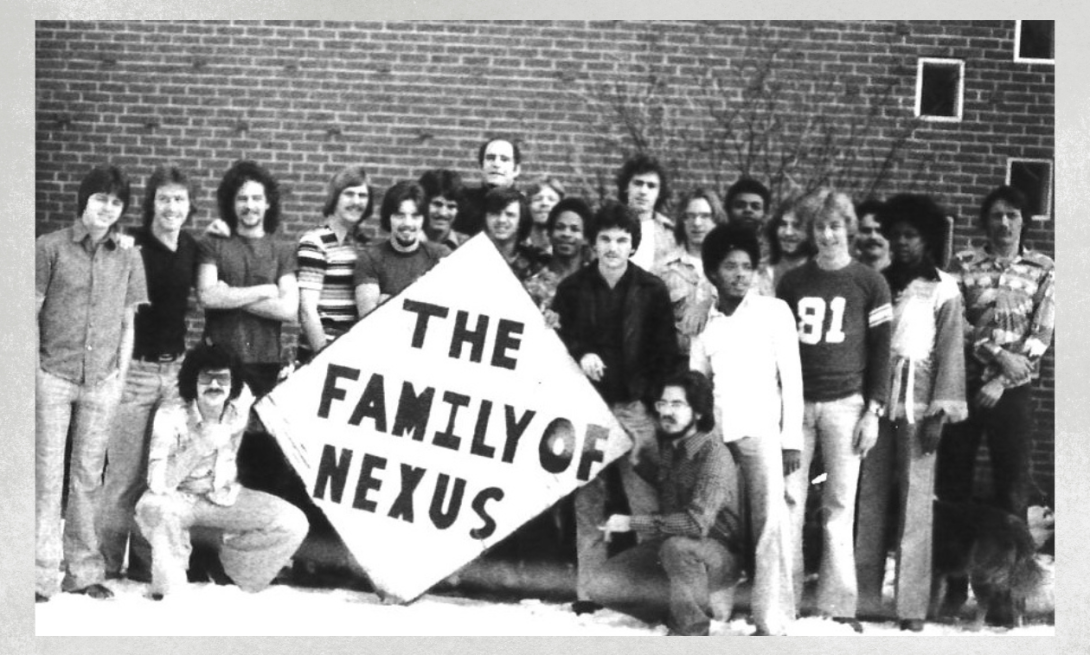
Port Alpha incorporated and changed its name to Nexus and our residential treatment program moved from downtown Minneapolis to Minnetonka. Through a partnership with Hennepin County, a need was identified for services that would help make youth ages 16-18 with sexually problematic behaviors. As a result, Nexus began residential treatment services for this age group.

A survey from the Hennepin County Probation Department named Nexus as the most reputable residential correctional program contracting with Hennepin County. We began to look beyond residential, and started to partner with schools to develop potential in- school programs.
The University of Minnesota helped us conduct a recidivism study to collect data on our former clients who had been involved in the criminal justice system. The study indicated that 90% of clients who graduated from our program did not re-enter the system within a two-year period.
In late 1981, Nexus formed Nexus Diversified Community Services, a corporation to provide funds for programs such as vocational and work behavior training for clients.

The Nexus Board of Directors approved a $350,000 capital fundraising campaign to complete renovations of the residential treatment buildings and to support our shifting model to treat the whole client – addressing mental health, family, physical health, education, chemical dependency, and other factors.

As mental and behavioral health needs increased for youth, Nexus’ mission grew. We expanded to serving all gender youth and moved beyond the state of Minnesota, helping youth receive treatment in Illinois. Nexus earned national accreditation from the Council on Accreditation (COA) and has maintained this accreditation ever since.
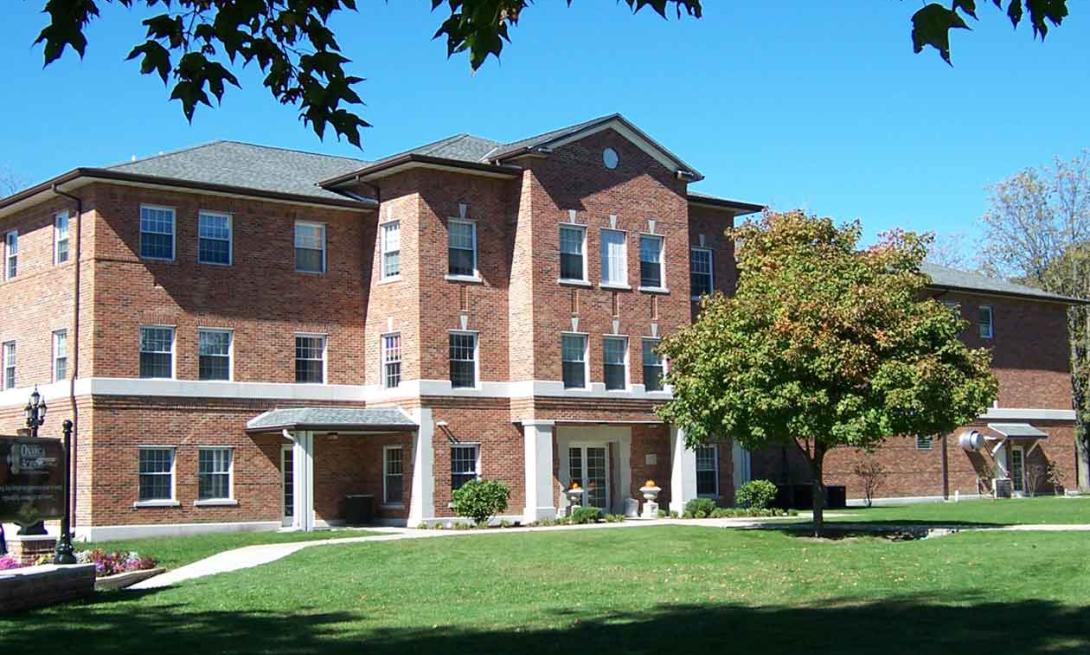
The Illinois Department of Children and Family Services contacted Nexus to help address the growing need for youth services in Illinois. As a result, we opened a residential treatment program serving male youth with sexually problematic behaviors, in Onarga, IL, on the former campus of Onarga Military School.
Today, our Onarga campus serves male youth ages 9-20, with a wide range of mental and behavioral health needs. Our residential program includes an on-site school, vocational opportunities, a group home, transitional and independent living programs, and therapeutic foster care.
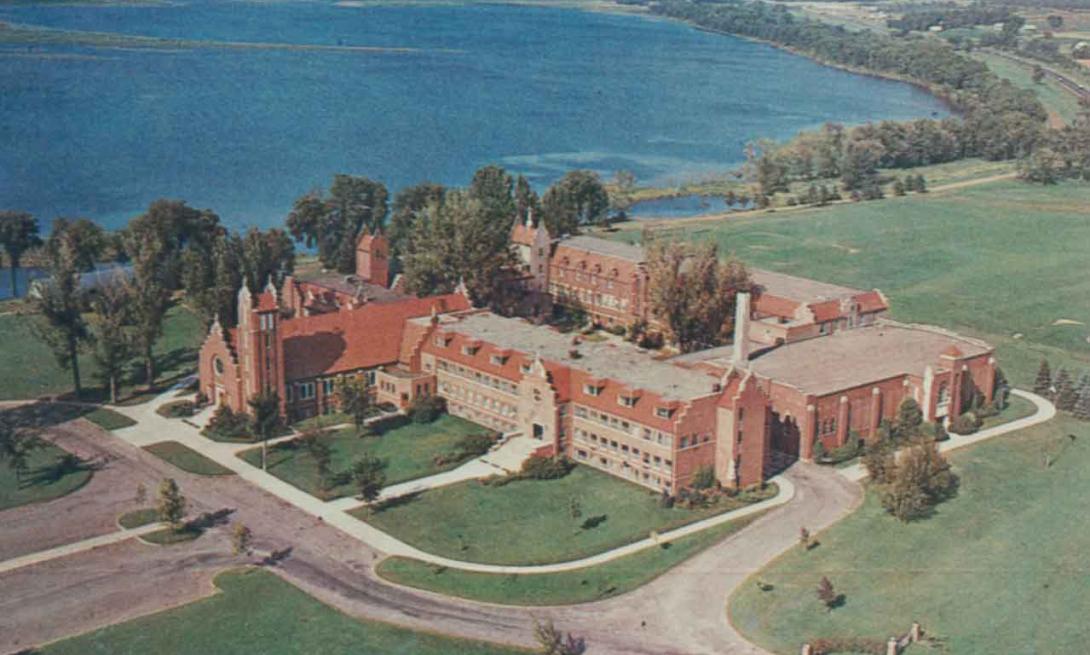
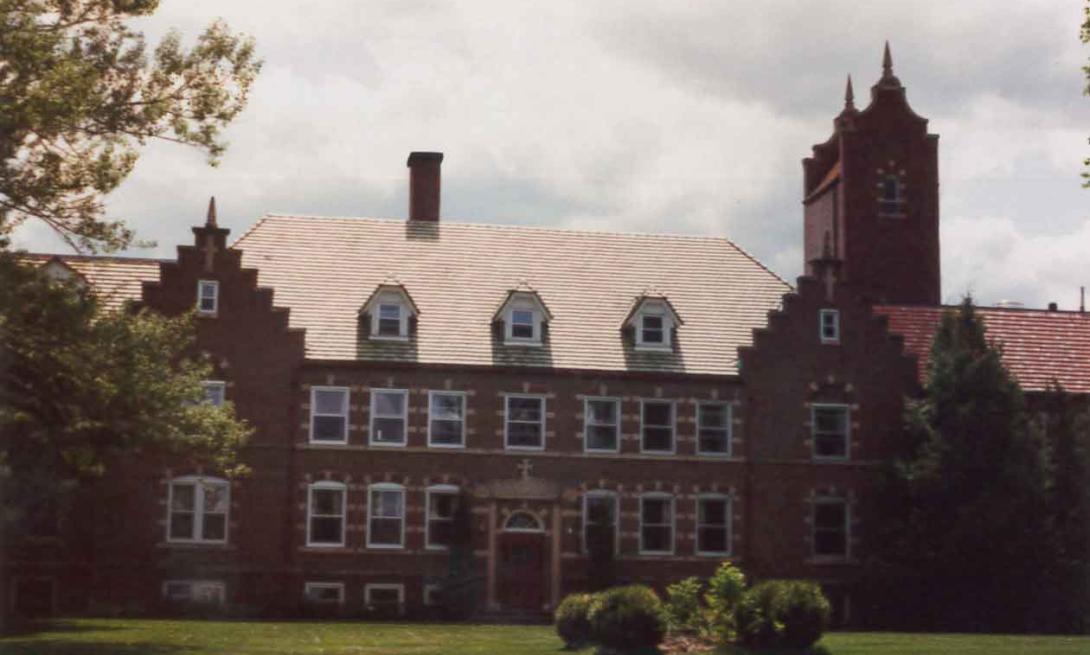
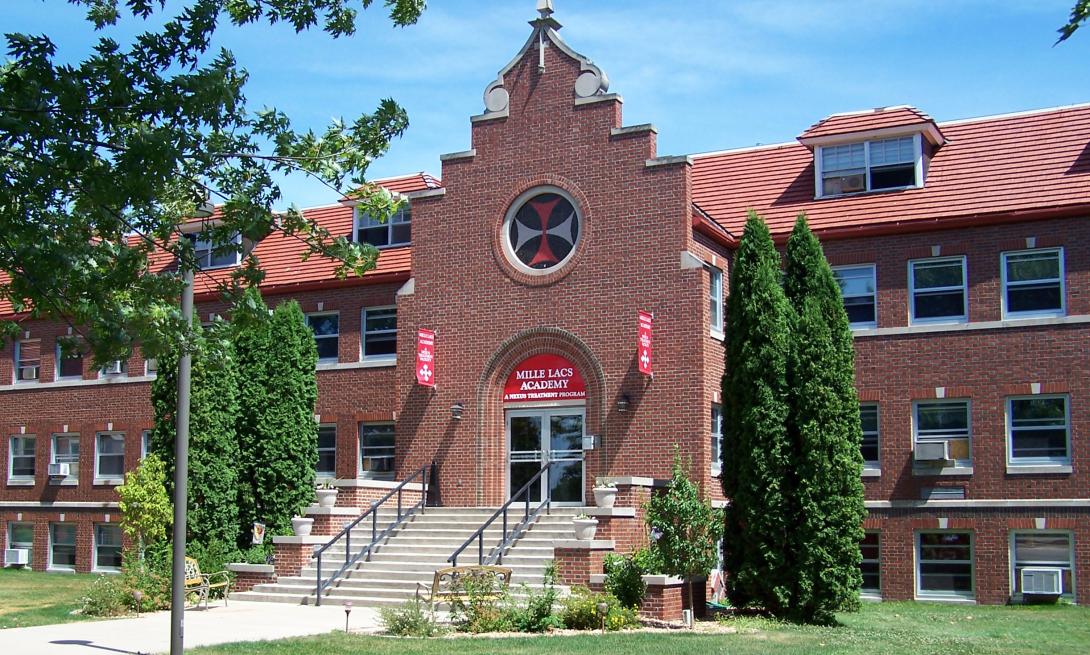
In 1991, Nexus ended all adult programming and shifted focus to the growing mental health needs of youth. Our Minnetonka facility relocated to Onamia, MN into the unused Crosier Seminary building.
Today, our Mille Lacs campus serves male youth ages 10-18, with a wide range of mental and behavioral health needs, as well as an on-site school, and a group home in the Onamia community.
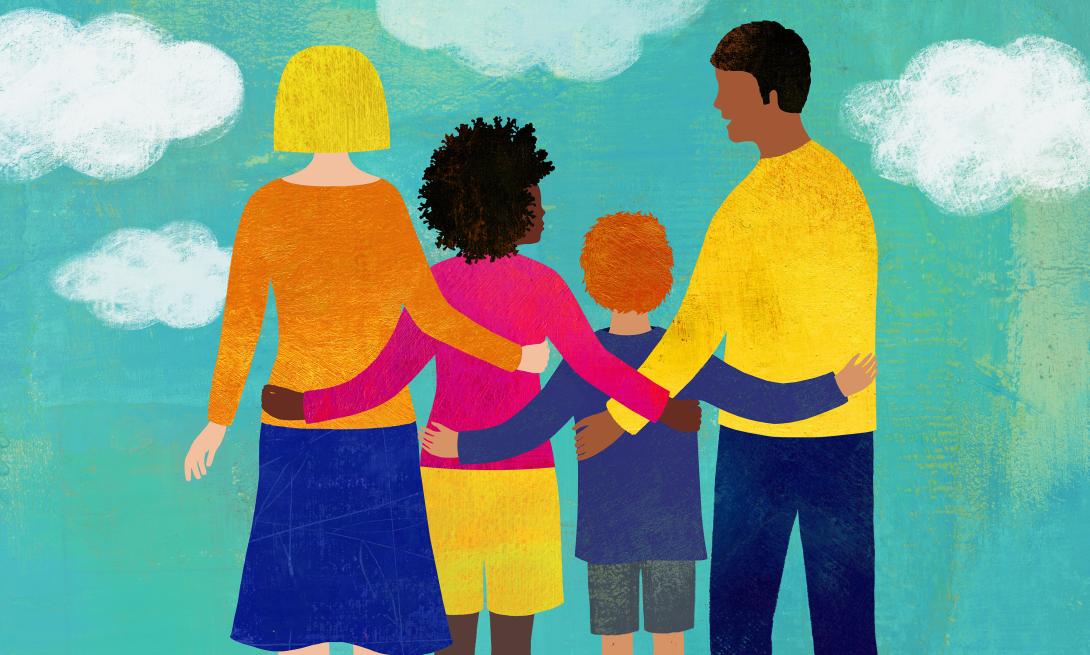
A new Nexus family therapy model and related training was introduced in Minnesota. Research indicates family involvement is integral to success, and family therapy is an essential part of healing and care. And family isn’t just immediate family at Nexus; we include all potential caregivers including biological, extended, foster/adoptive, and friends as appropriate.
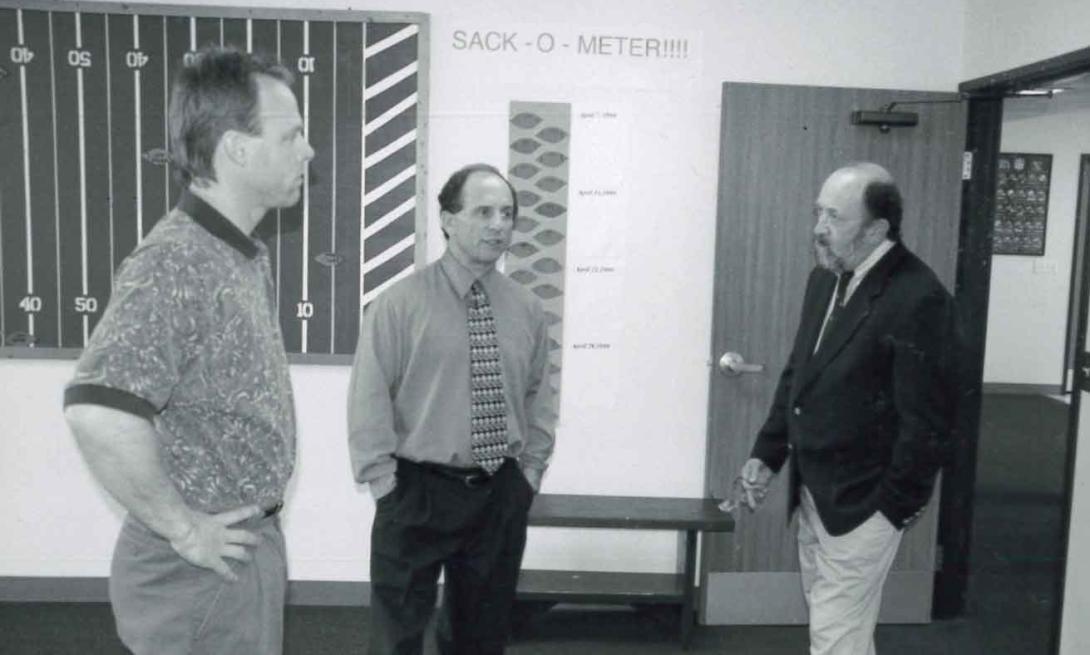
Nexus gains national recognition and engages elected officials in discussions about our programs for sexually problematic behaviors.
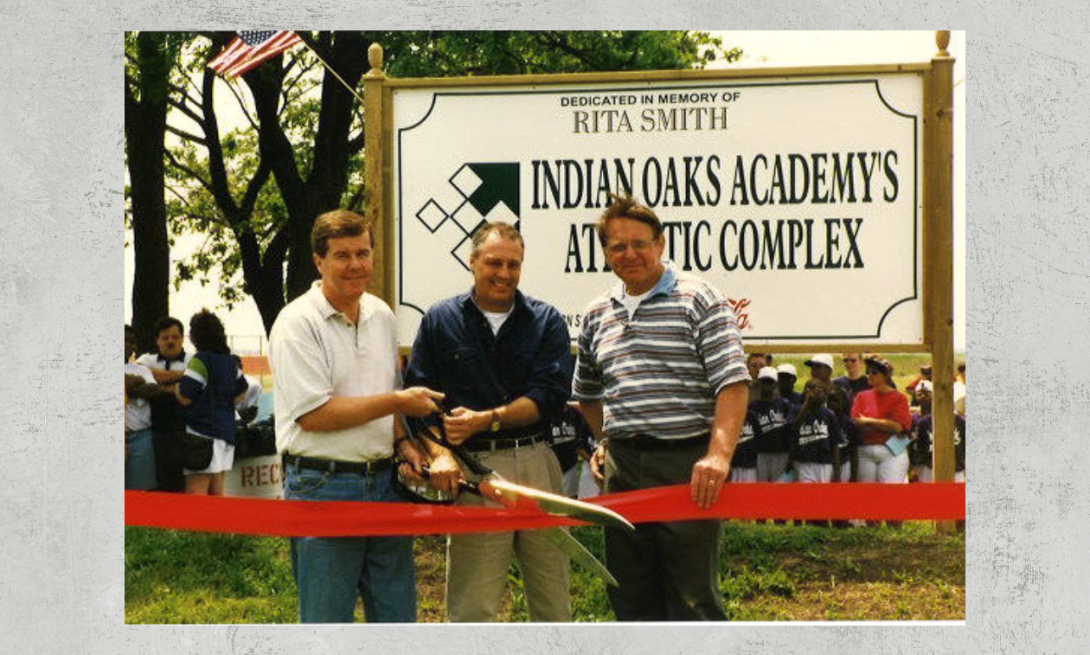
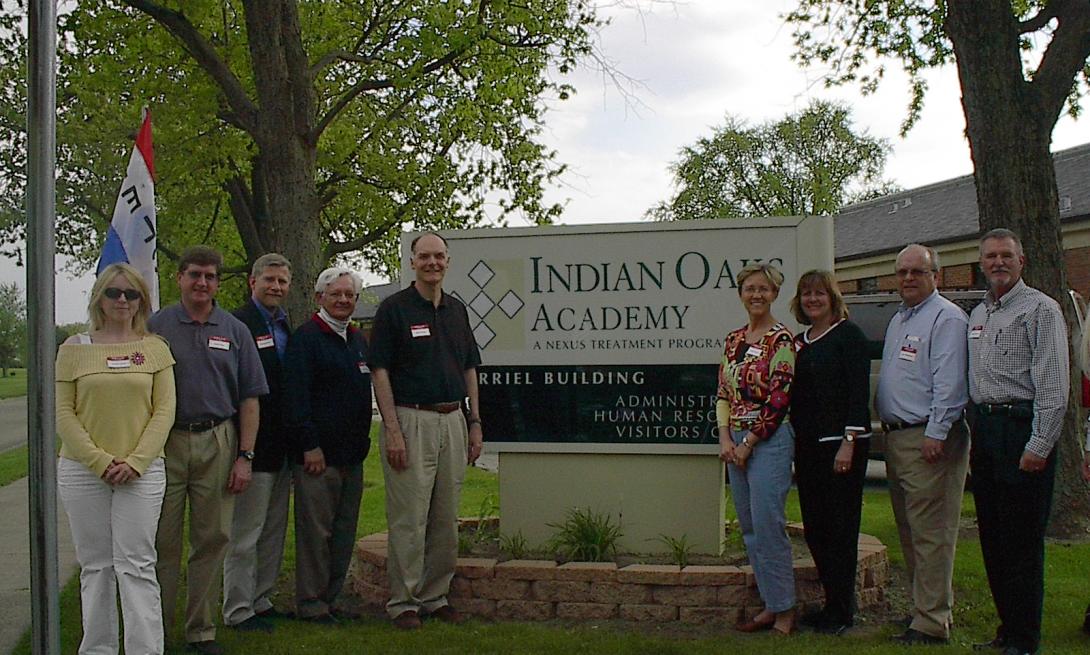
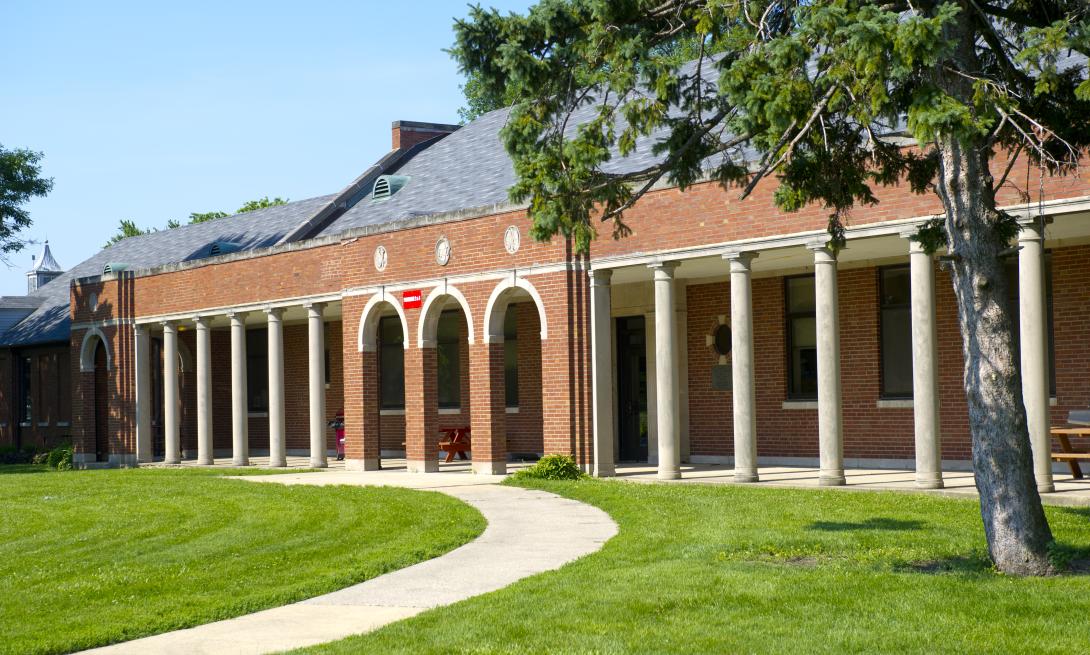
Nexus opened a second residential treatment program in Illinois, serving male youth with sexually problematic behaviors. Today, our Manteno campus provides residential treatment for all gender youth ages 12-21, who are dealing with a wide range of mental and behavioral health issues. Programming includes an on-site school and vocational opportunities.
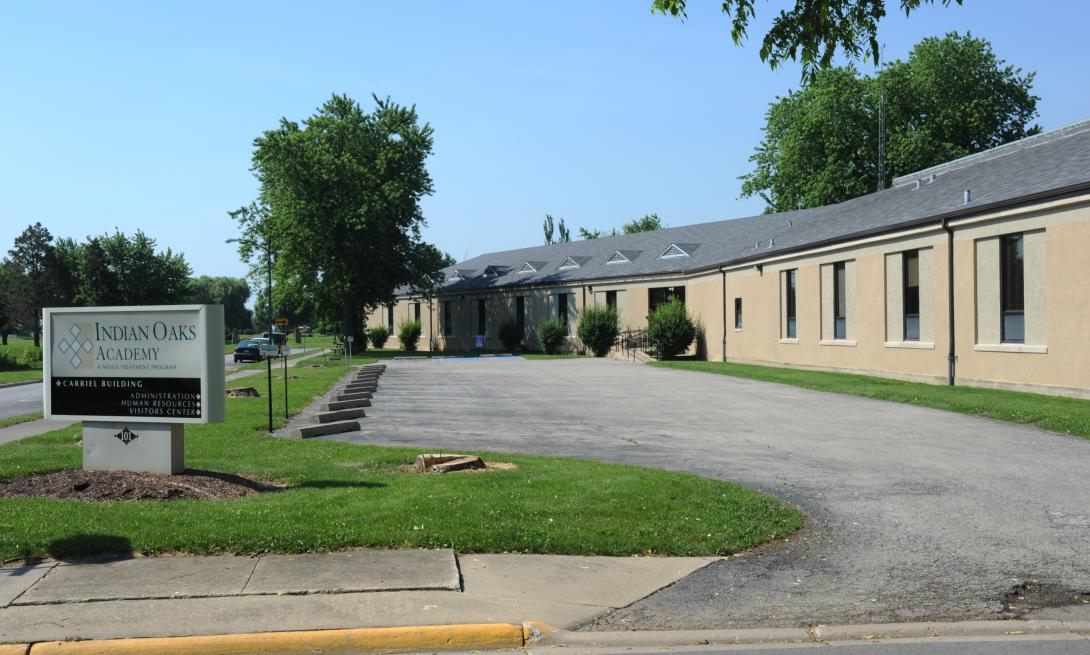
After a $1.2 million dollar renovation, the Manteno campus revamped the Carriel building. They expanded their programing and opened the doors to a residential girls’ program – our first significant work in supporting female youth. We continue to treat female-identifying youth who have experienced abuse, human trafficking, self-harm, sexually problematic behaviors, and more.

We invested in ensuring our youth continue to grow and succeed after they leave our care by hiring our first aftercare coordinator and school liaison at the Onarga campus. Later this year, we reached a new milestone — 14 youth proudly graduated from the Onarga, IL residential treatment program in our first graduation ceremony.

Nexus earned national accreditation from the Council on Accreditation (COA). We have maintained this accreditation ever since.
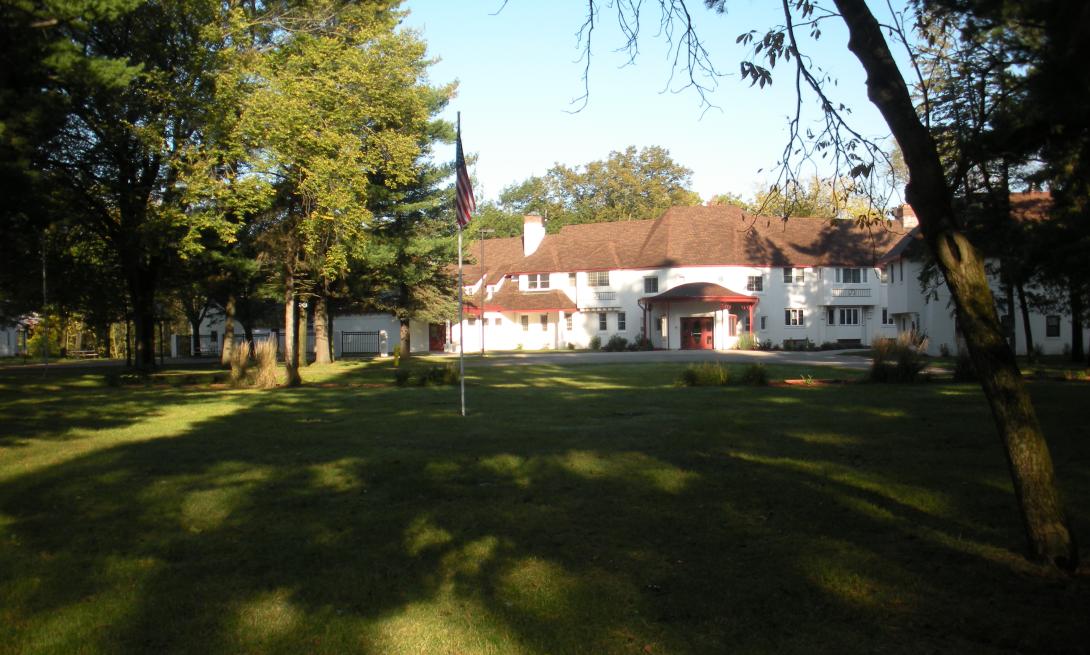
We expanded our residential treatment in Minnesota by acquiring Gerard Treatment Programs. Our Gerard campus is located on a beautiful 12-acre estate in Austin, MN, which once served as the Hormel Estate.
Today, the Gerard campus provides residential treatment to all gender youth ages 9-18, with a wide range of mental and behavior health issues through residential treatment and outpatient services. The campus includes an on-site school, vocational opportunities, and Collaborative Intensive Bridging Services.

Youth need education and life skills to be prepared to flourish as independent adults. In the early 2000s, Nexus opened additional transitional living solutions for youth moving into adulthood and invested heavily in our educational programs.
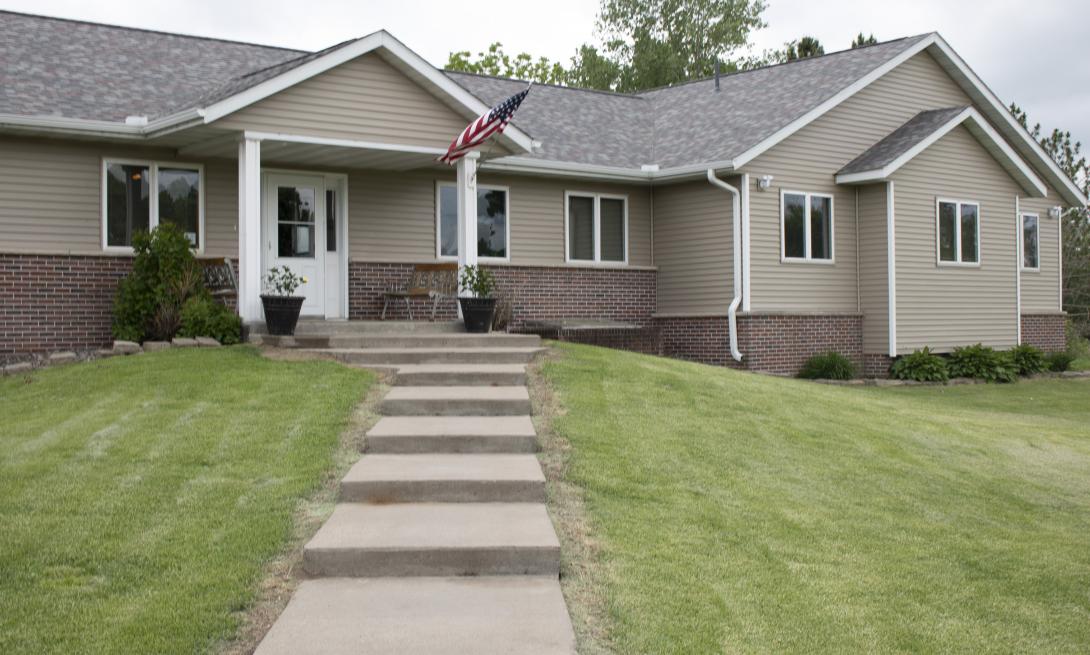
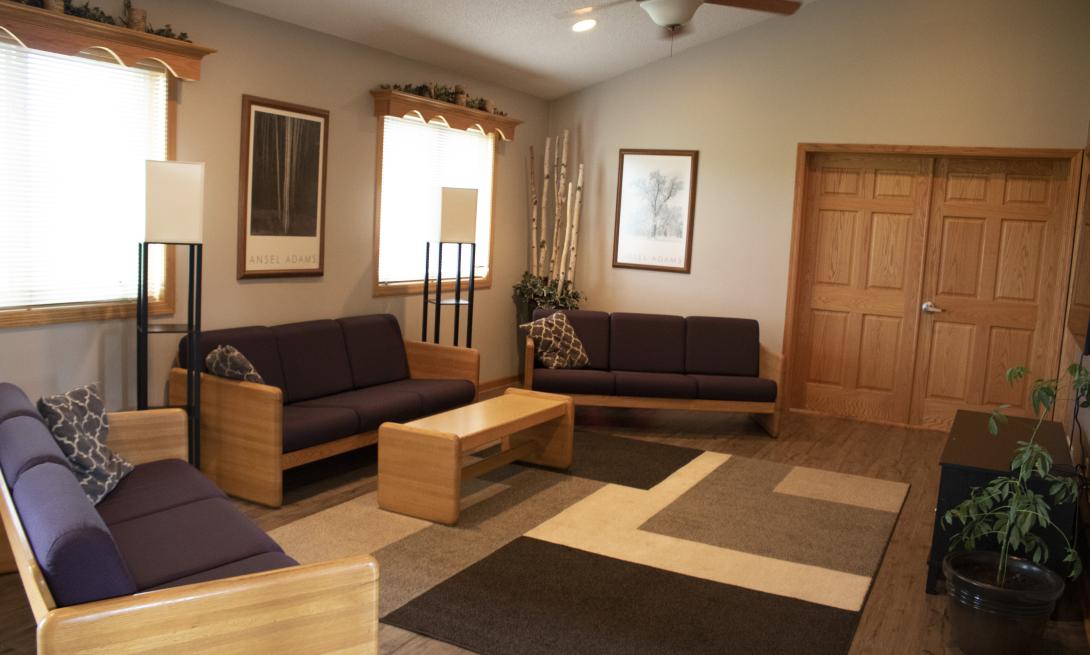
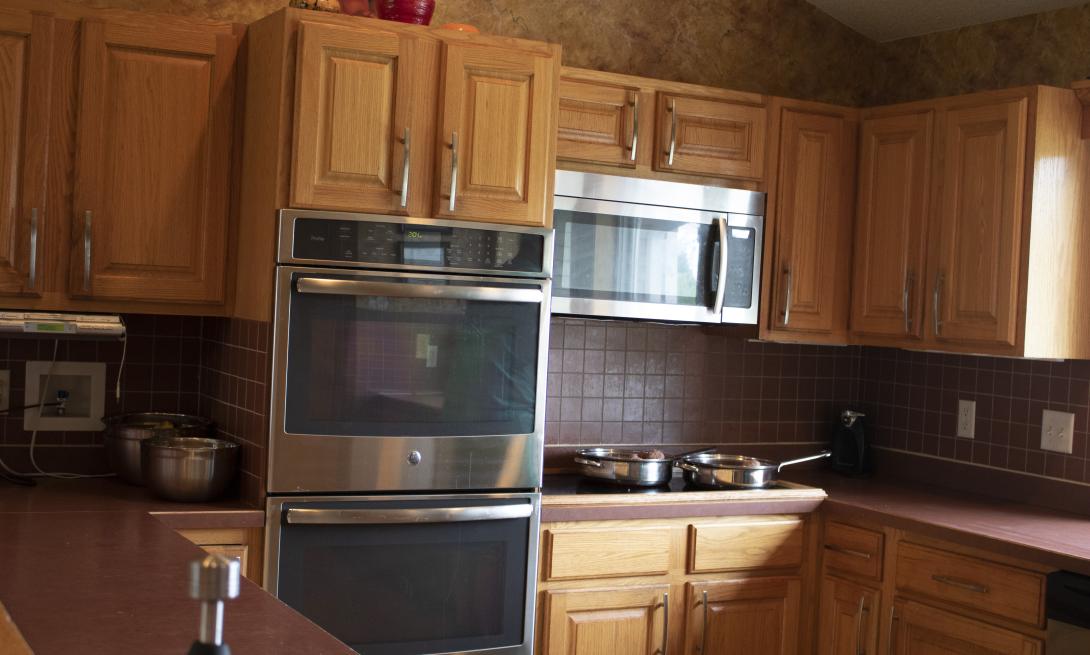
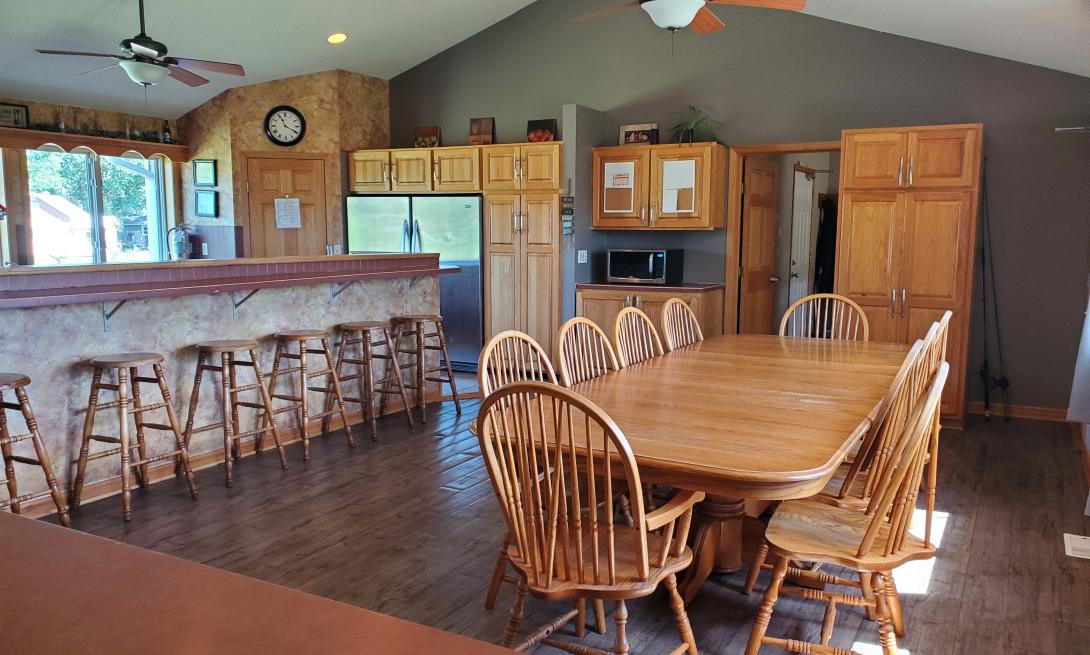

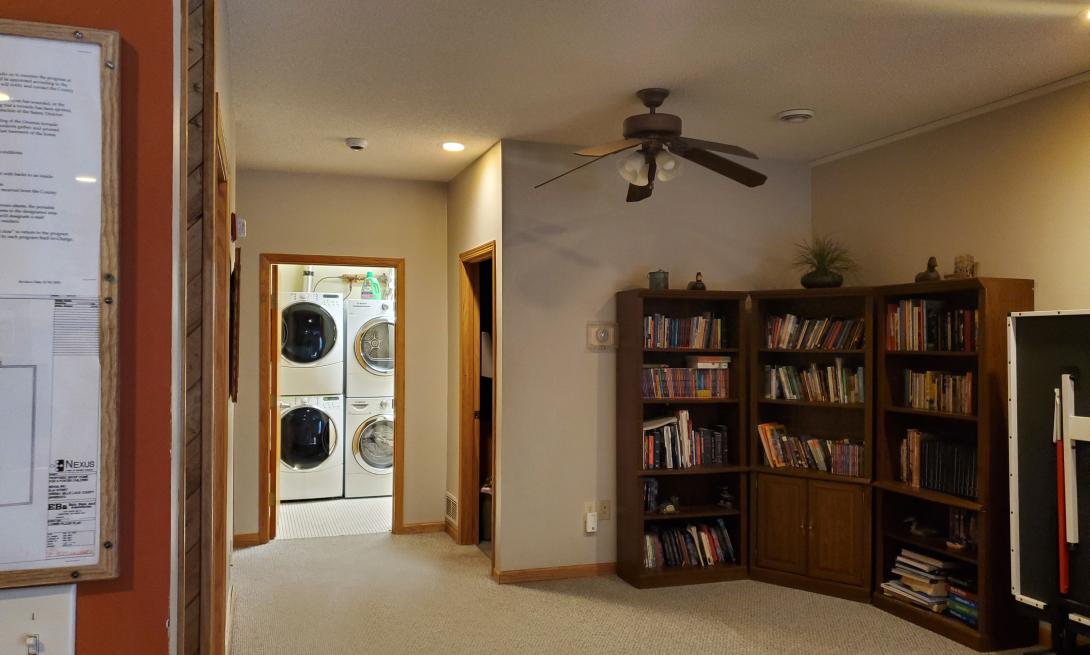
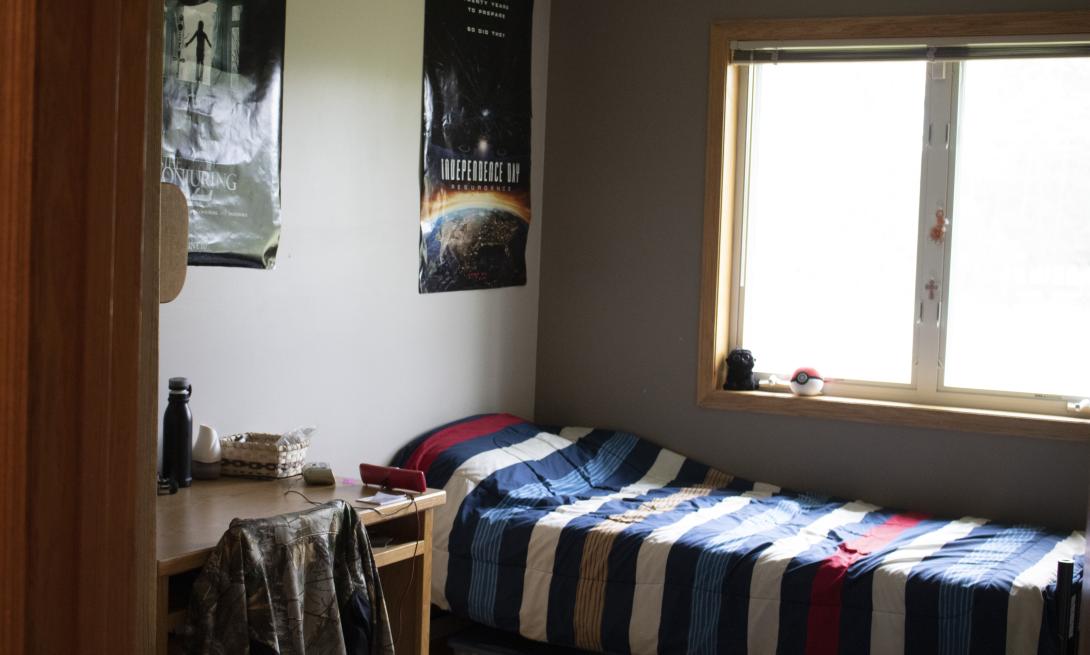
Sometimes youth in our care need a place to stay while their families prepare for them to return home after treatment. Other times, our youth end treatment and they don’t have a home to return to. To help meet this need, Nexus built and opened a group home that focuses on building independent living skills.
This 10-bedroom group home provides male youth ages 14-19 a place to continue their growth and prepare them to re-enter into the community and/or return home.
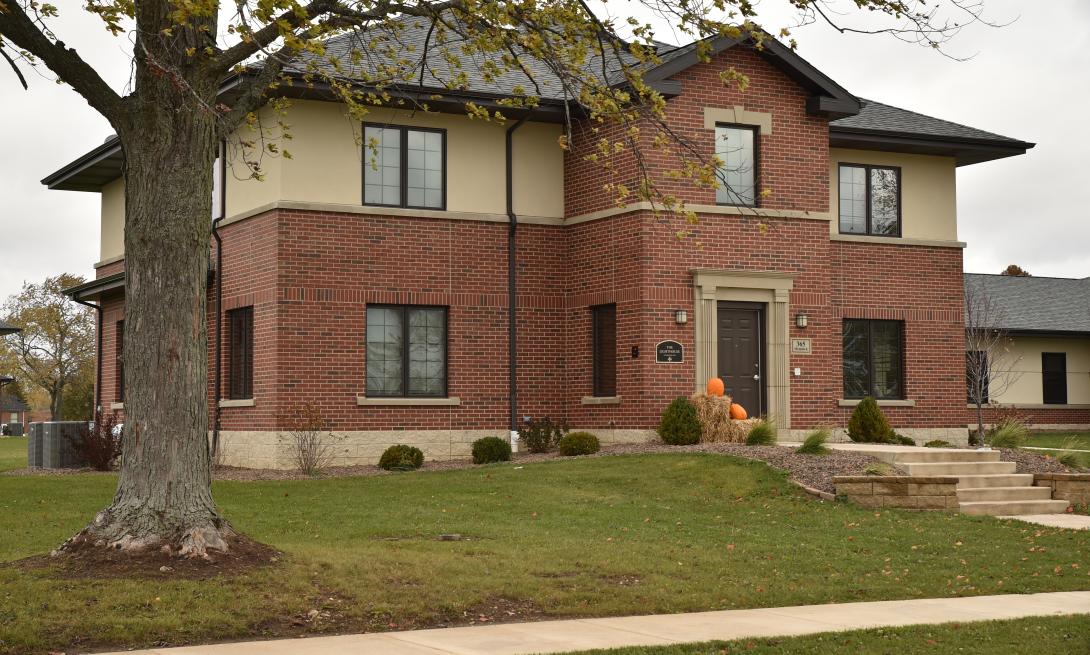
In Manteo, IL, we started re-entry independent living programs focused on strengthening our youth’s life and social skills.
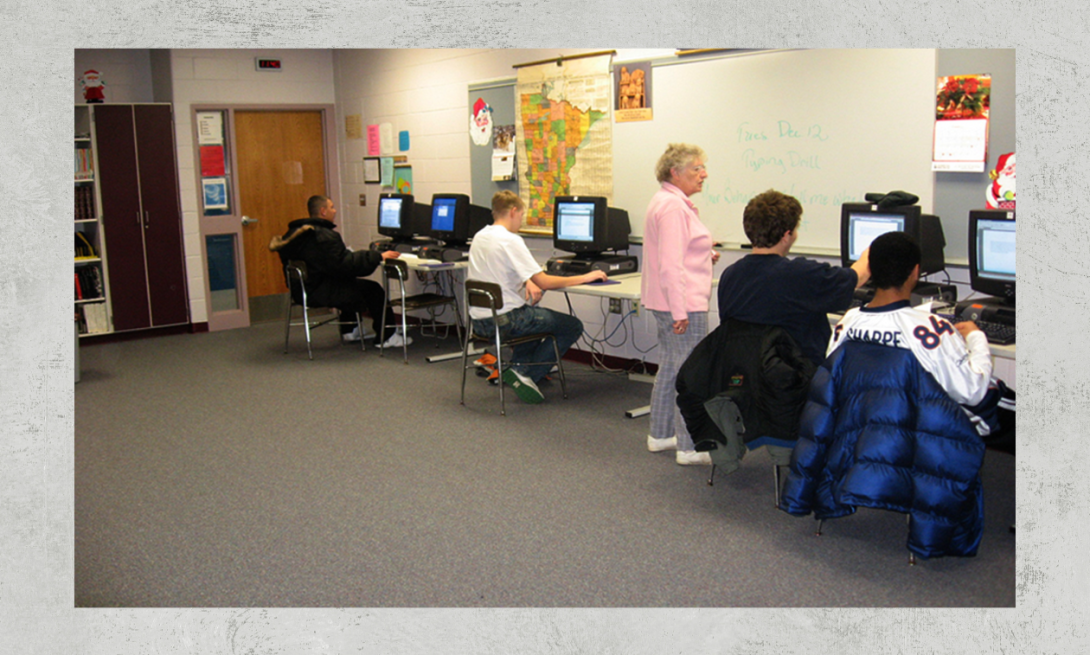

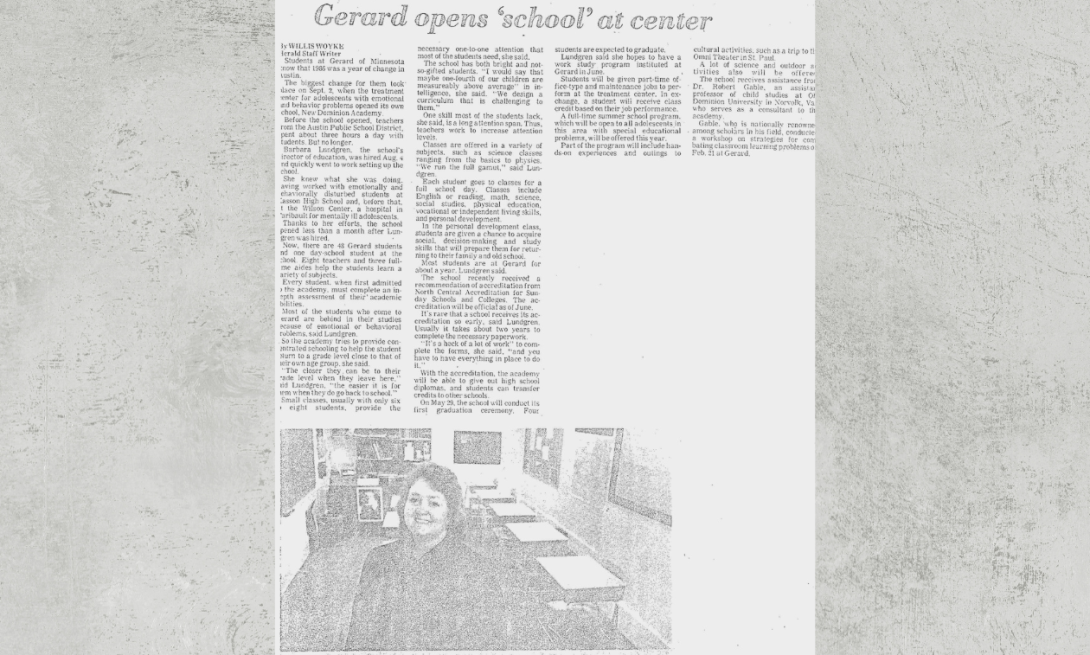
Nexus built and opened an on-campus school called New Dominion School on the Gerard campus. Previous to having a dedicated school building, the Gerard campus utilized the limited space they had to create three educational spaces spread across three campus locations.
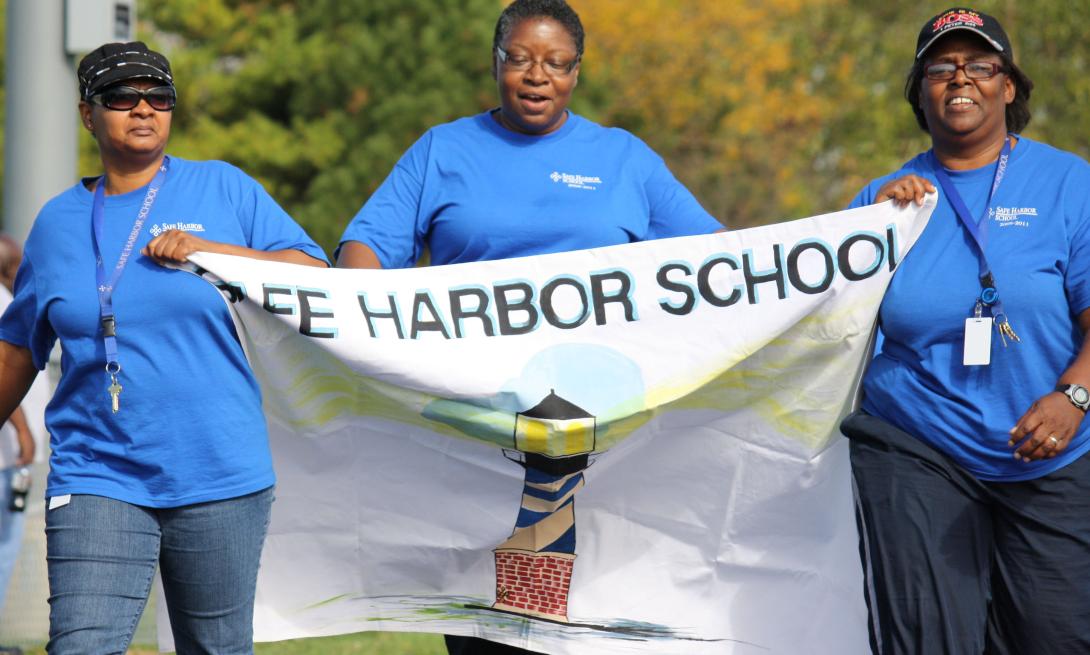
Our Manteo, IL school privatized and became Safe Harbor School. Our school provides year-round classes for our youth, as well as for day treatment students from surrounding school districts.
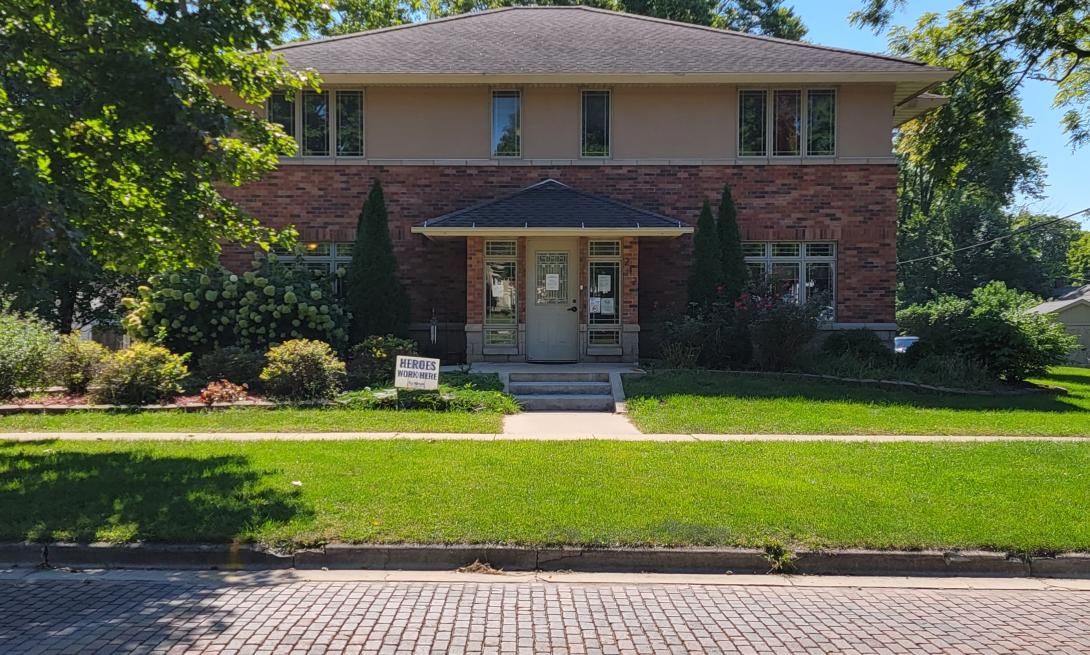
In Onarga, IL, we opened a new building for their Transitional Living Program. Moving out of intensive residential treatment is an important time of transition. Our youth need time to practice what they’ve learned — in a less structured, but still highly supportive environment. Our Transitional Living Program helps prepare youth to successfully live on their own.
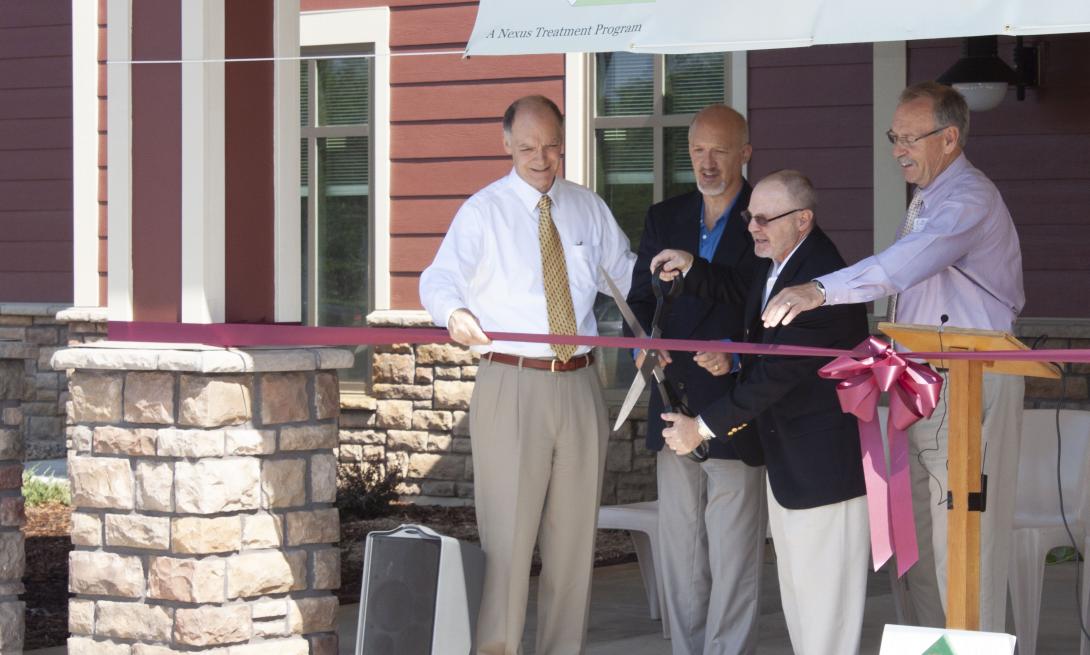
In 2009, our Mille Lacs campus moved from the Crosier Seminary location to a built-to-purpose facility on a 40-acre wooded lot, just outside of the town of Onamia, MN. The new campus allowed us to modernize numerous facets of the facility to better serve the youth in our care. In addition, the larger footprint provides ample space for youth to recreate and explore.
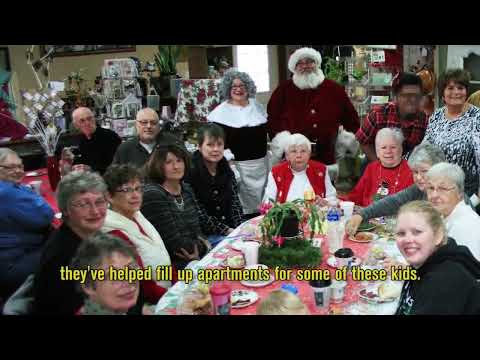
In Onarga, IL, Nexus opened the Cornerstone Café & Gallery in January 2010. The Cornerstone Café is the perfect place to meet friends, enjoy a delicious bakery item, and relax with a drink.
The Café is owned and operated by Nexus and serves as a youth vocational program that provides on-the-job training. Our youth learn about business management, customer service, and barista skills. Through the Grand Prairie School on the Onarga campus, youth are also able to participate in trainings for public health certifications.
The Café is loved by local Onarga patrons. Many of the residents visit the Café daily to show their support for our youth.

In 2011, leadership recognized there was a need to serve youth closer to home and in the community. As a result, Nexus expanded beyond residential services to add foster care and adoption services in Minnesota with the affiliation of Family Focus. In 2012, Kindred Family Services was added to the family as well, and eventually both agencies merged together, making us the largest private foster care agency in Minnesota.
In Minnesota, Nexus provides foster care and adoption services to youth ages 0-21. We also provide supervised visitation, relative and kinship programs, and mental health services and supports.
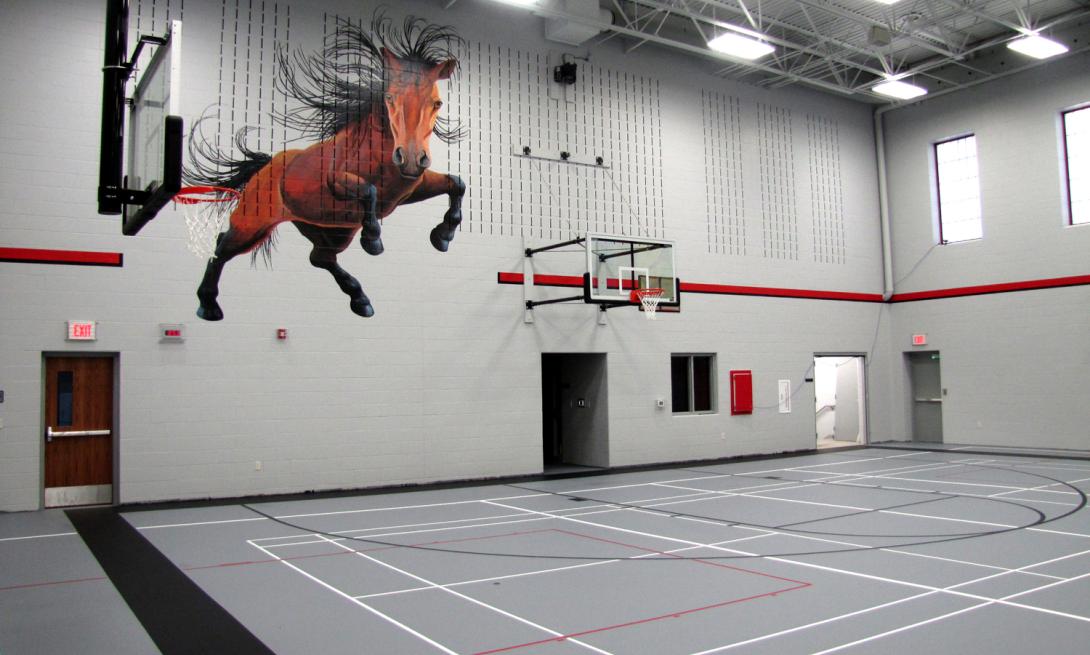
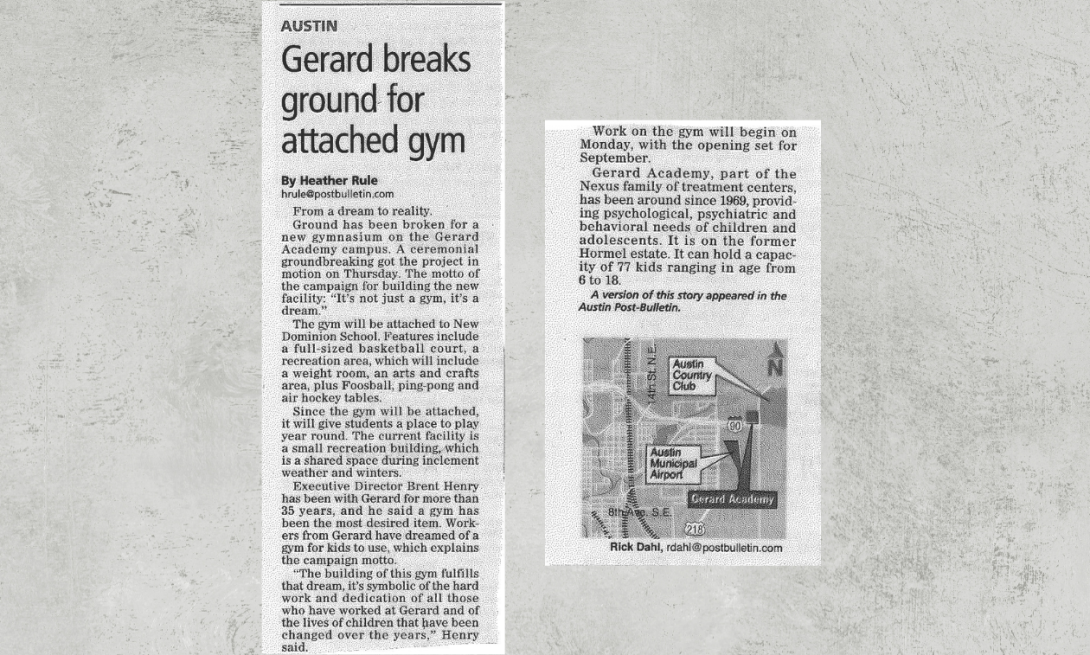
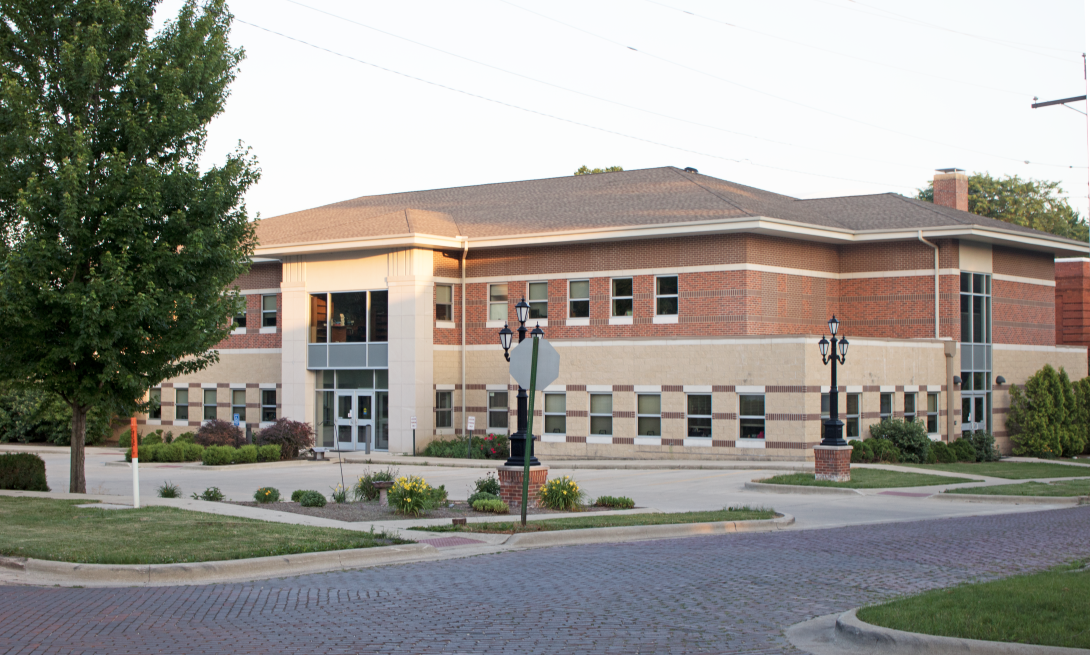
We made major improvements to two of our residential campuses in 2012. On the Gerard campus, we opened a brand-new full-size gymnasium, which is the first recreational facility the campus has ever had.
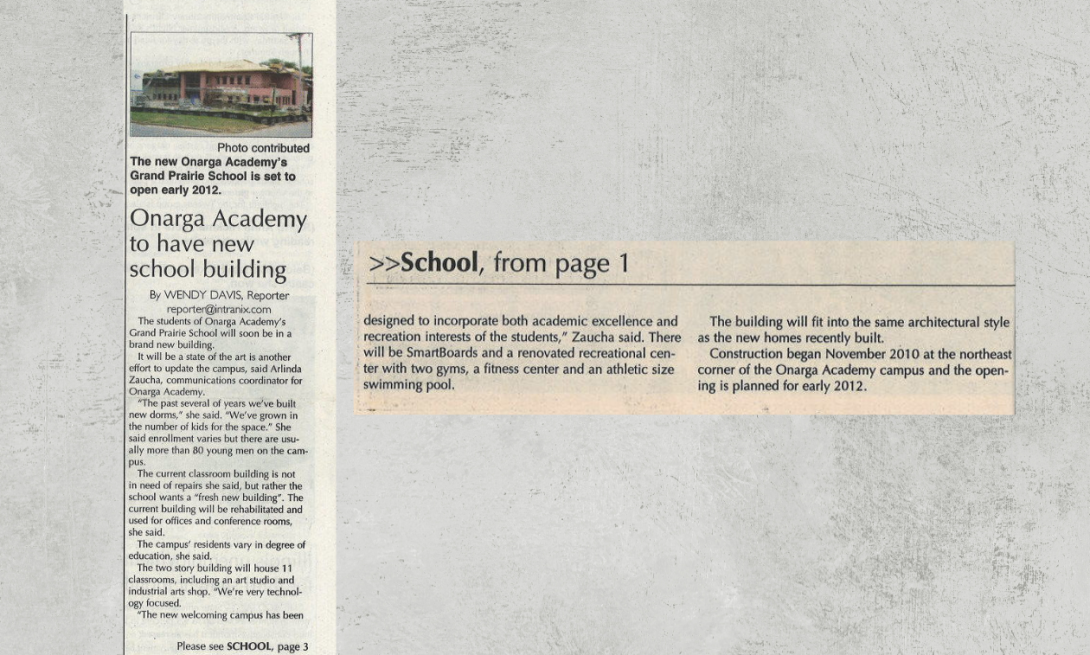
And we built a new state-of-the-art school on the Onarga campus, featuring wide hallways, video monitoring, and smart board technology.
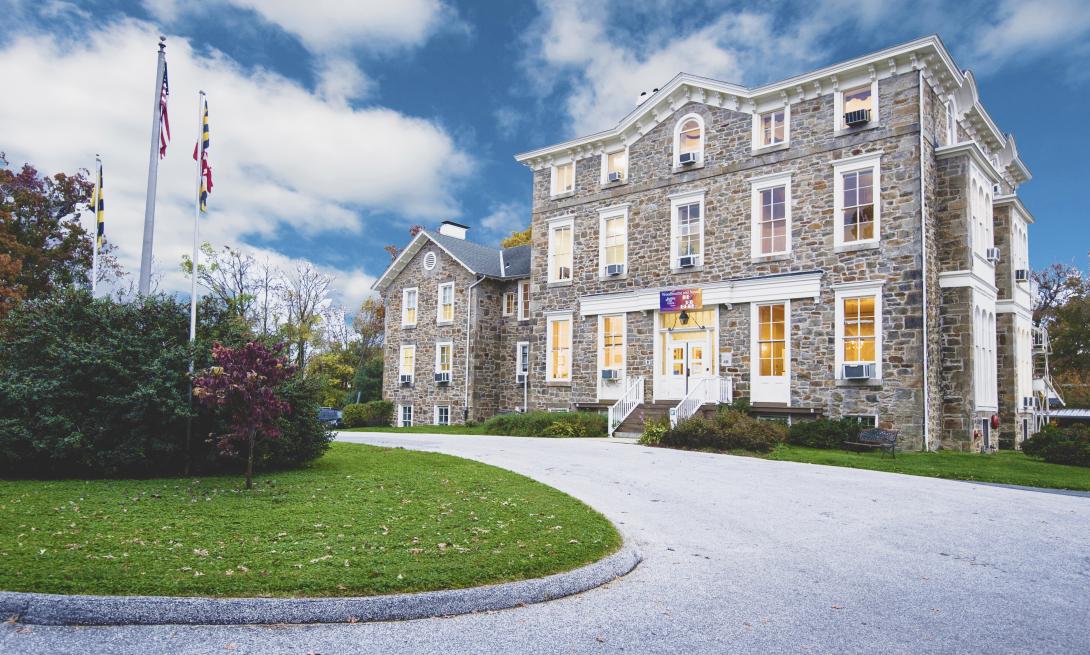
We expanded our national reach by welcoming Nexus-Woodbourne to our Nexus family. Located in Baltimore, MD, Nexus-Woodbourne’s services include a psychiatric residential treatment program and treatment foster care.
Today, our Nexus-Woodbourne campus serves all gender youth ages 14-18. We offer psychiatric residential treatment program, a diagnostic program, on-site school, and vocational programming to equip students with real-world, tangible skills they can use in their future careers and continuing education. We also provide treatment foster care for children and youth (ages 0-21) that have a mental health diagnosis involving severe emotional and behavioral problems.
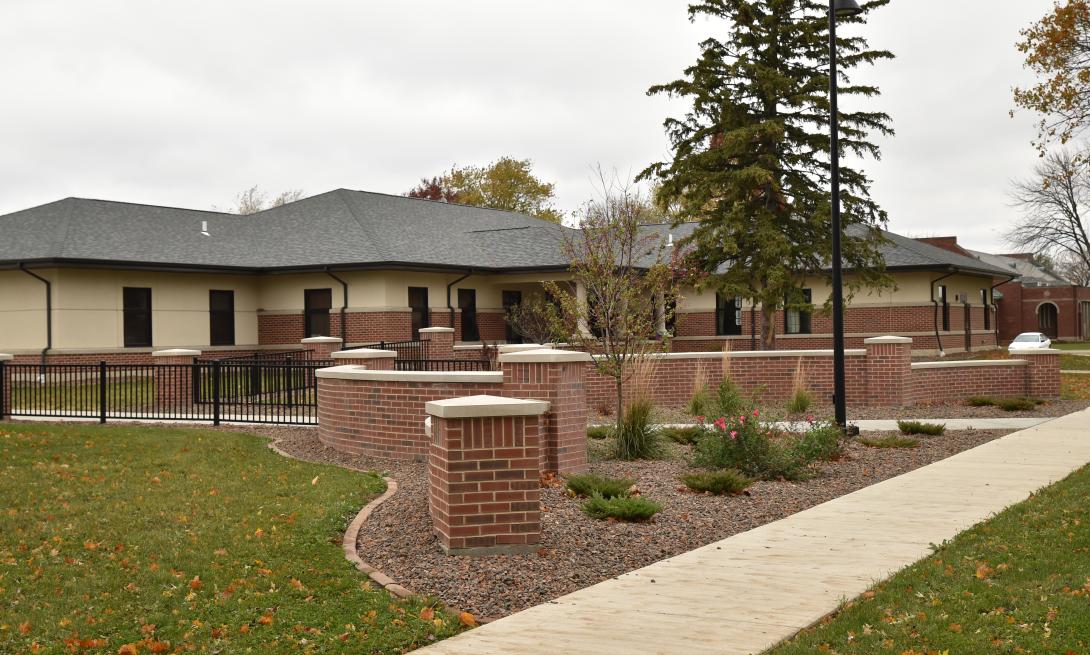
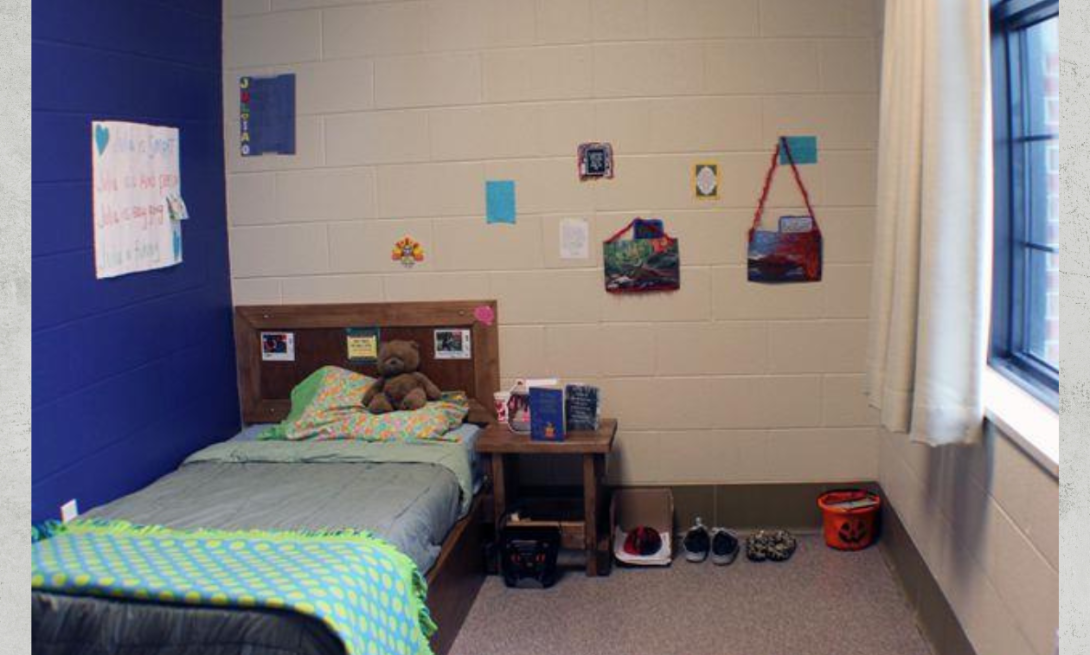
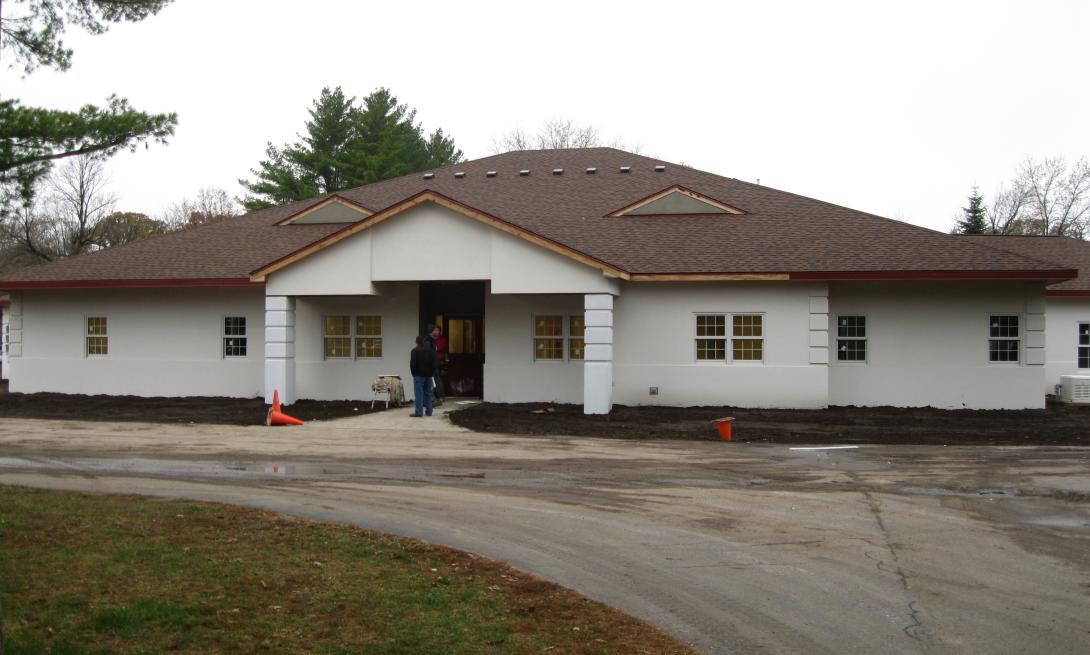
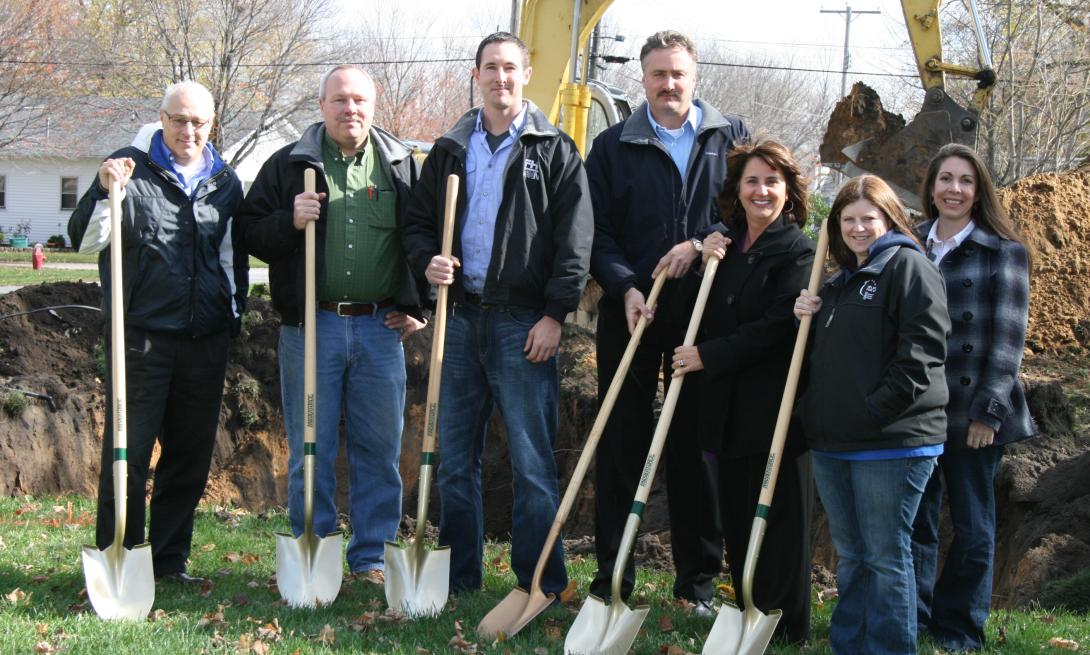
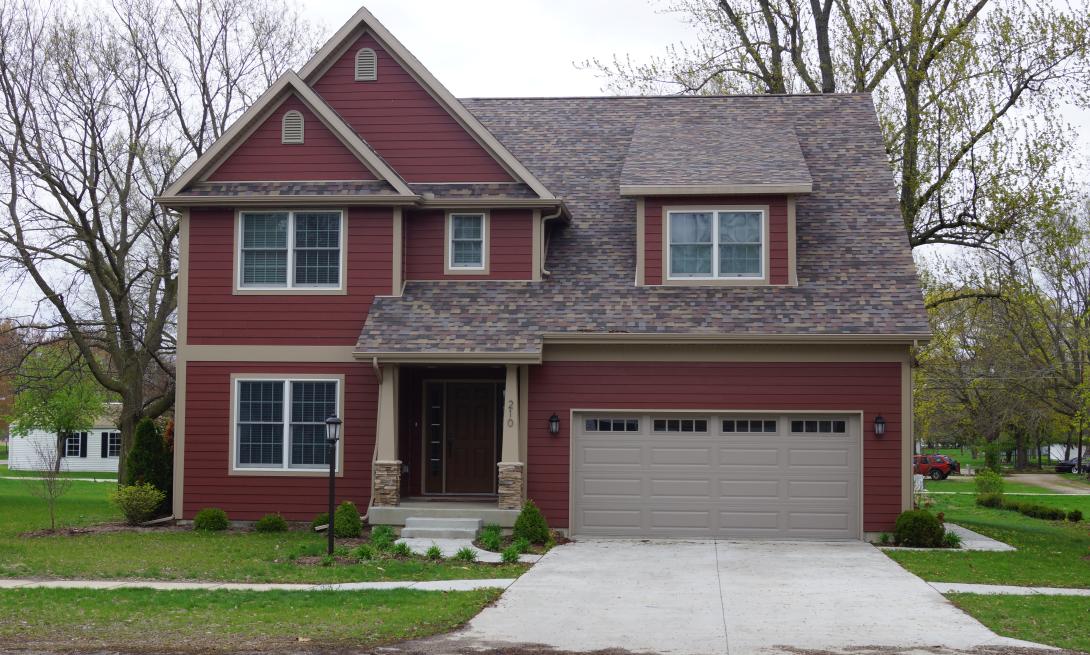
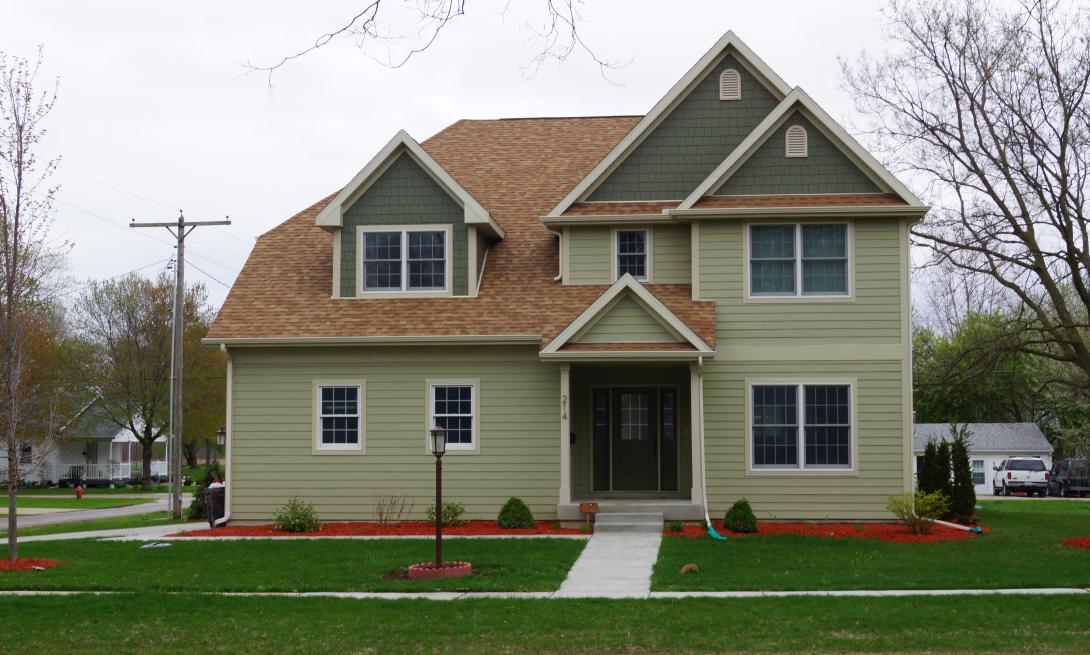
We renovated several of our agency campuses to create more therapeutic environments.
- At the Gerard campus, we built an addition to serve younger youth ages 6-10 and support youth who needed shorter treatment experiences.
- At the Manteno campus, we built six cozy cottages and two multi-story homes on campus. With private bedrooms, the new cottages now provide safety and comfort for youth in residence.
- We broke ground and built two new foster care homes at the Onarga campus. Our foster care homes help youth and their families with the transition and reunification process after completing a residential treatment program. These foster care homes are fully equipped, move-in ready homes for youth in foster care and our live-in foster parents.
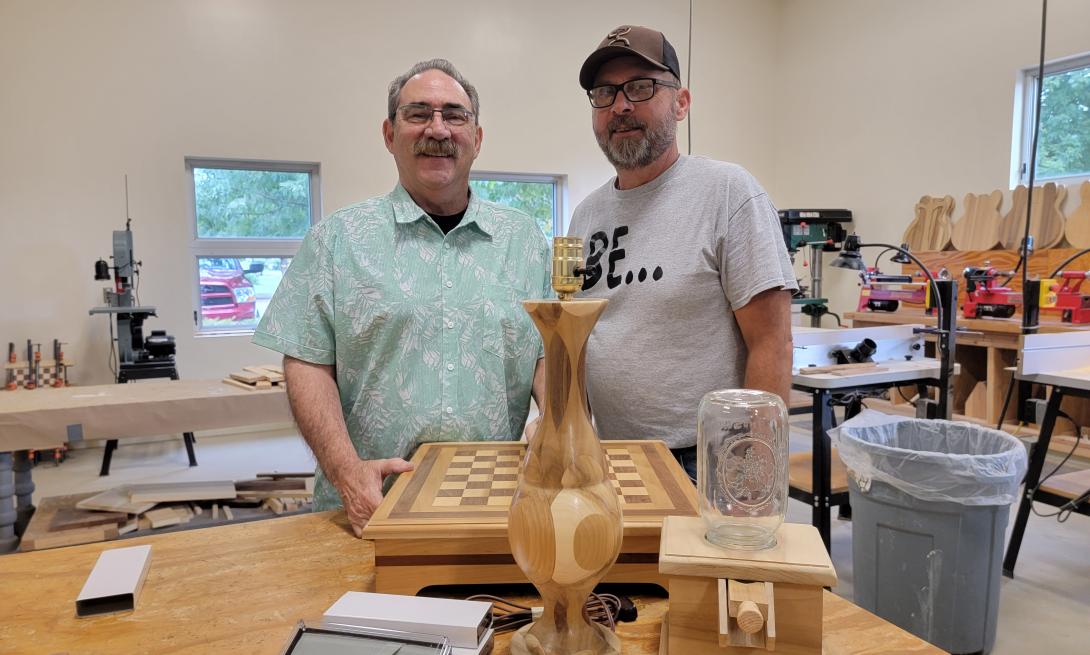
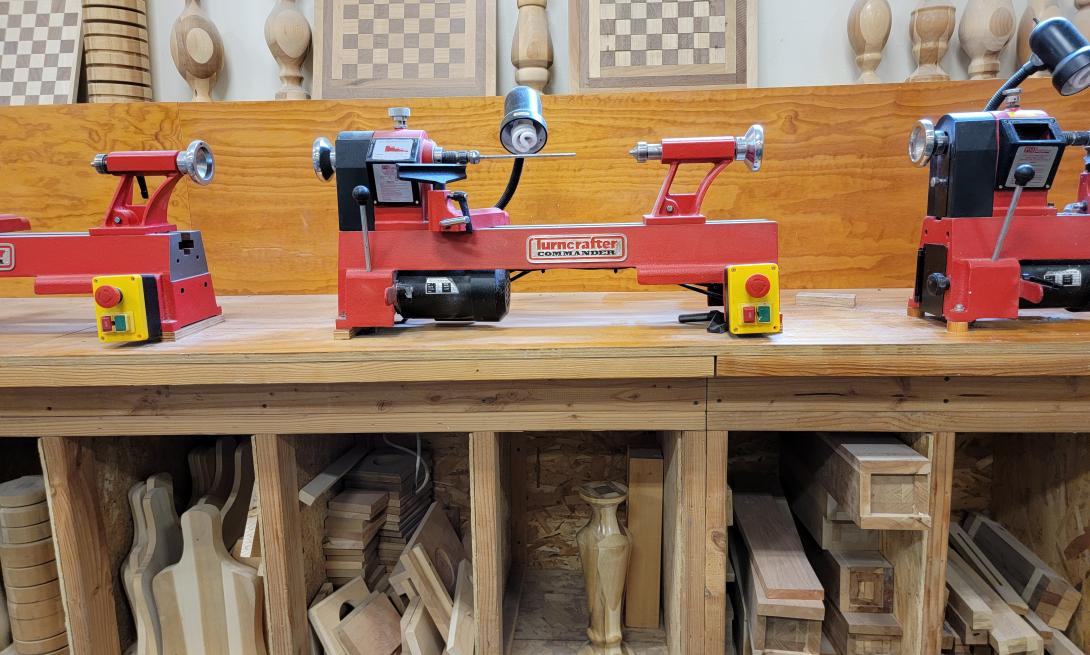
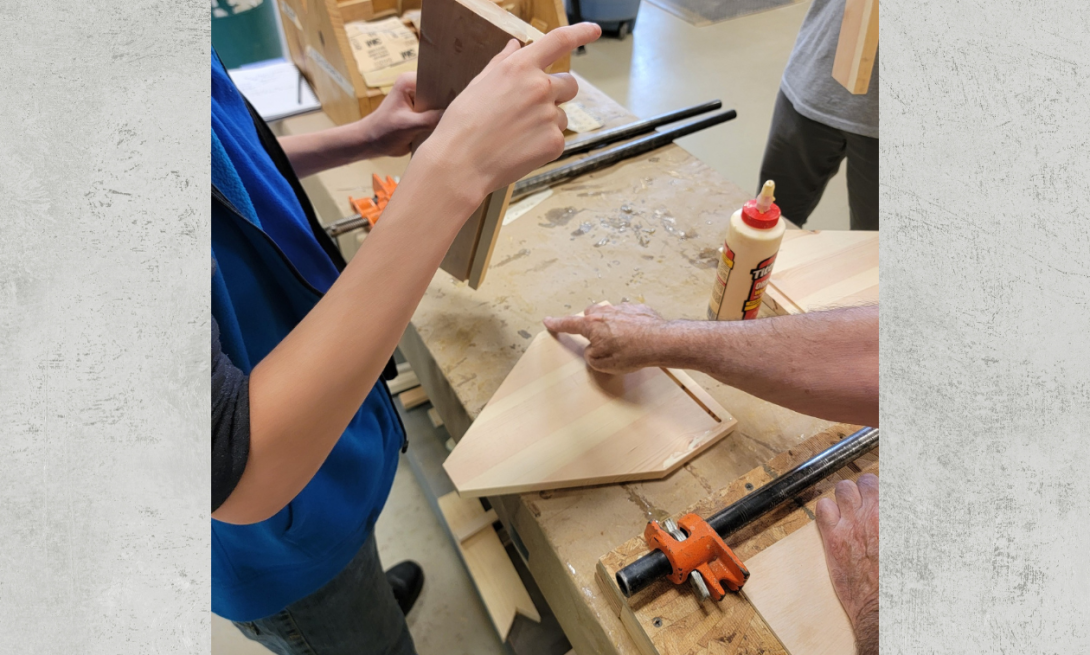
A new state-of-the-art workshop was completed for the Industrial Technology Program at the Onarga campus. The program was created in 2005 by Industrial Arts Instructor Bill Chivers to teach youth about woodworking and auto mechanics. Our vocational training instructors provide hands-on experiences to teach our youth practical skills and help them understand the responsibility and rules of maintaining a safe environment.

Nexus started a partnership with a community provider, FACTS (which later became part of the Nexus organization), to expand Collaborate Intensive Bridging Services to more Minnesota counties. Our Collaborate Intensive Bridging Services is based on the concept that a child is best treated with their family in the home. This treatment model involves a combination of intensive in-home therapy and a brief placement in an intensive treatment center. Hennepin and Olmsted Counties joined Dakota County to participate in this program.
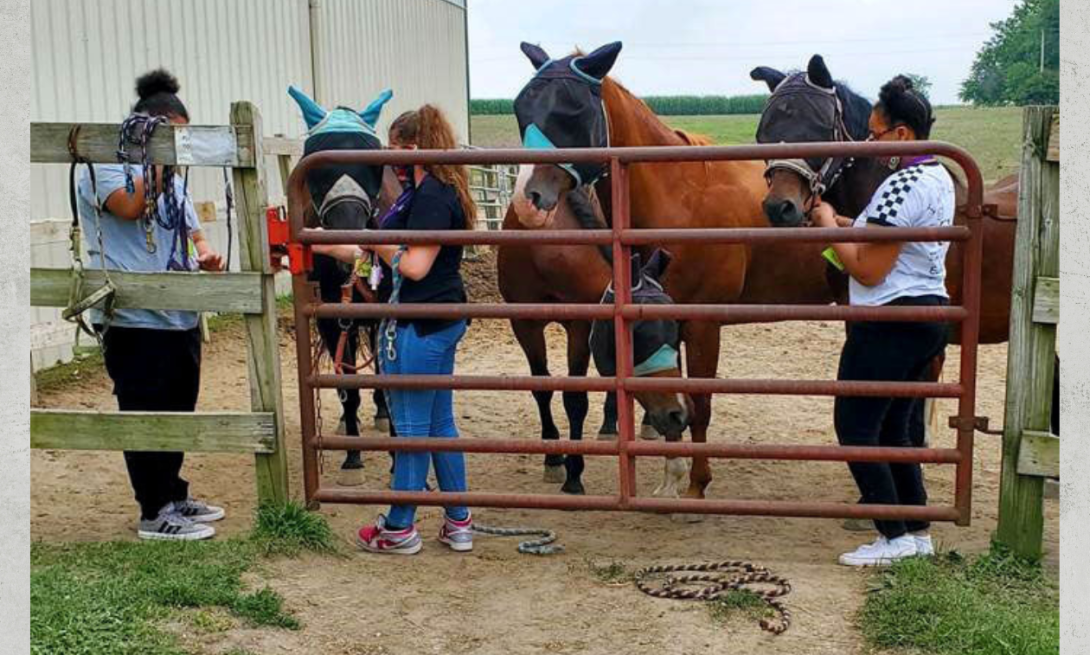
Alternative forms of therapy are introduced throughout our agencies, one of the most significant being Trauma-Focused Cognitive Behavior Therapy (TF-CBT). We continued to explore other forms of interventions such as equine therapy, Eye Movement Desensitization and Reprocessing (EDMR) therapy, sensory integration, and mindfulness/yoga. These forms of therapy help us treat youth experiencing some of the toughest situations using trauma-informed care.
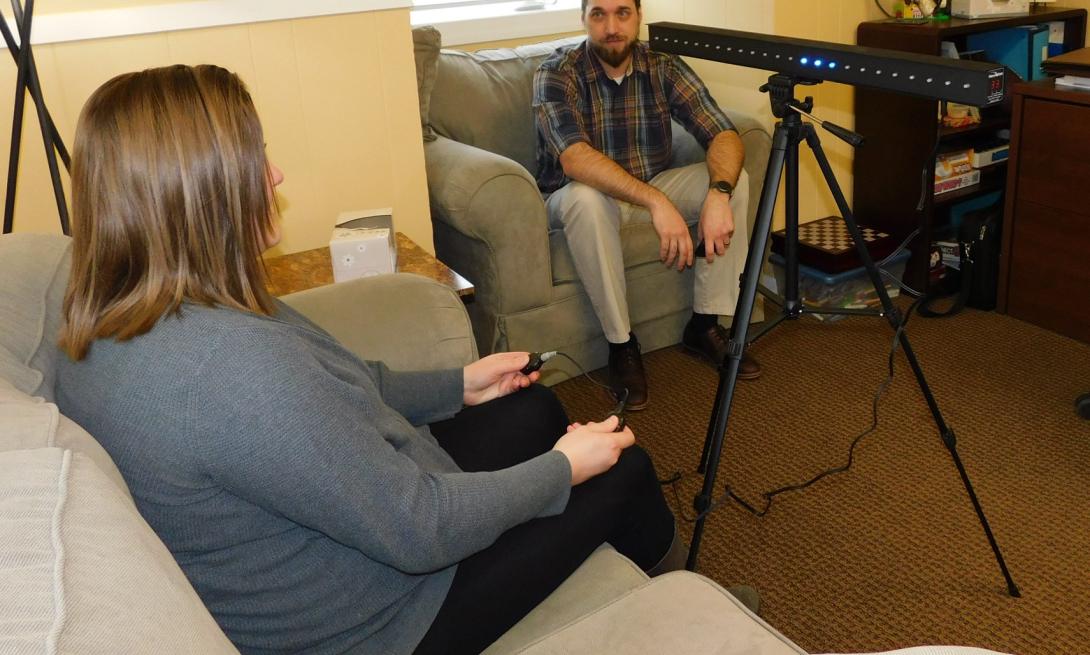

With an interest in expanding its expertise in children’s mental health to serve a greater number of youth and families in the community, Nexus began exploring the possibility of creating outpatient services in the Austin, MN area. In 2015, Nexus was awarded a contract with Mower County Family Services collaborative to provide mental health service to children and families referred by local schools.
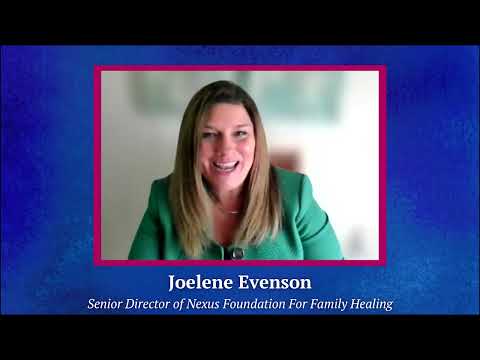
The Nexus Foundation for Family Healing was established in 2018 to advance the mission and goals of Nexus Family Healing by securing philanthropic investments to support operations, advance key strategic initiatives, enhance and expand services, and promote long term economic stability. The Foundation leverages the expertise of a separate Board of Directors solely dedicated to engaging and stewarding donors across our four states of operation. Contributions raised provide direct support to Nexus Family Healing programs and the children, families, and adults served while also advancing strategic initiatives for the overall organization. Learn more about the ways you can donate to Nexus.

We opened our Diagnostic Center at Nexus-Woodbourne where we serve all gender youth who have been or are at risk of commercial sexual exploitation. We’re committed to providing a safe environment—free from re-traumatizing stimuli—where youth can develop trusting relationships and build coping skills that will help them continue on their path toward wellness. Treatment and clinical services are provided by licensed, trauma-certified social workers and counselors, health services are provided by licensed health care staff, and educational services are provided on-site with a focus on life and vocational skills development.
Nexus launched our School Linked Case Management program in North Dakota, a strengths-based service designed to support and supplement traditional supports available in the school. The goal of the service is to enhance the student’s functioning within the home, school, and community.
We rebranded and changed our name to Nexus Family Healing. For more than 50 years, we have focused on rebuilding lives, reconnecting families and restoring hope for youth and families suffering from mental, emotional and behavioral issues. Our new name, a refreshed brand, greater integration of our services, and a talented new leadership team led by Dr. Michelle K. Murray, LMFT, President and CEO, allows us to fulfill our purpose in a meaningful way.
“Our new name clearly conveys our understanding that in order to change a child’s life, families, too, must be supported and healed. Our dedication to providing innovative, effective, trauma-informed mental health care is as much about families as the youth that we serve,” said Murray. “Every time we help children change the course of their lives, we are breaking a cycle for current and future generations that continues long after our work is done. By interrupting cycles of harm, we create the possibility of healthier families, more stable communities and a better world.”
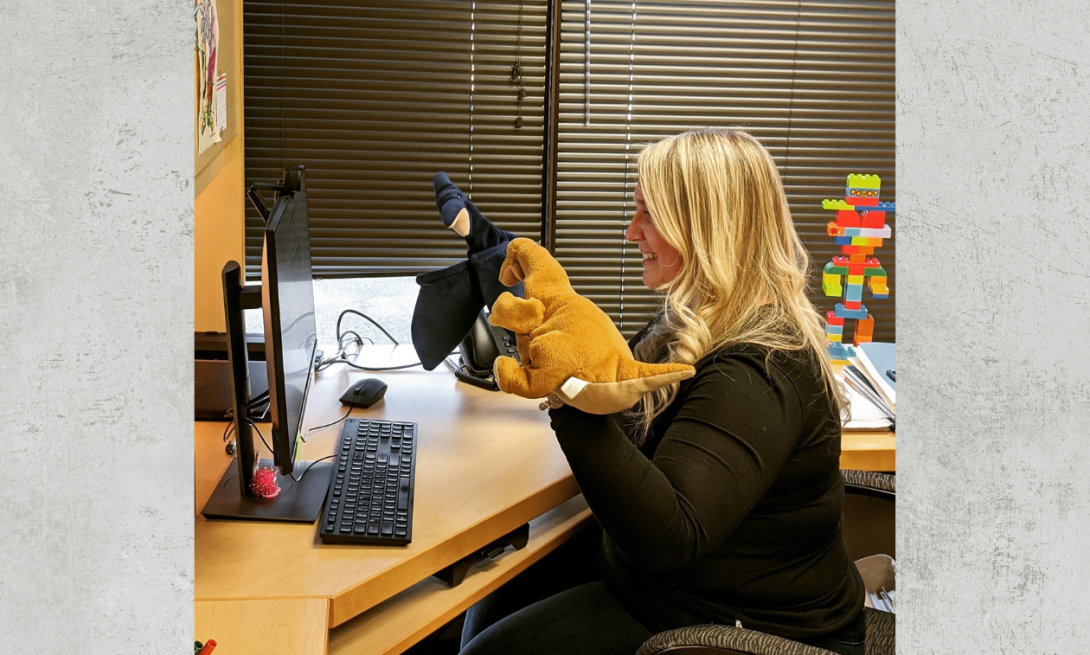
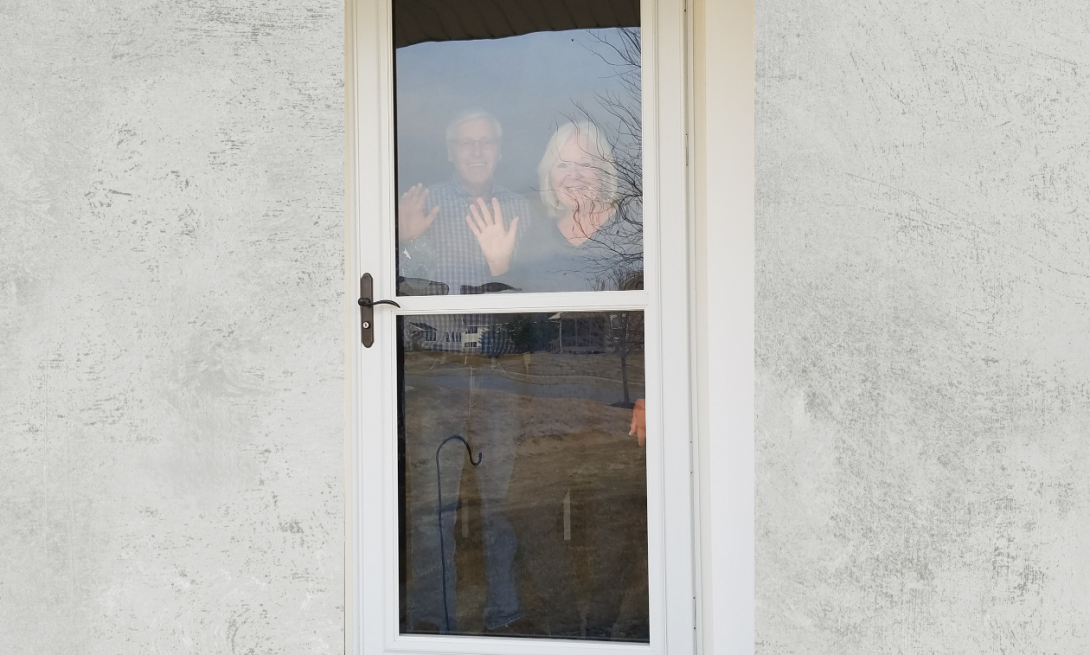
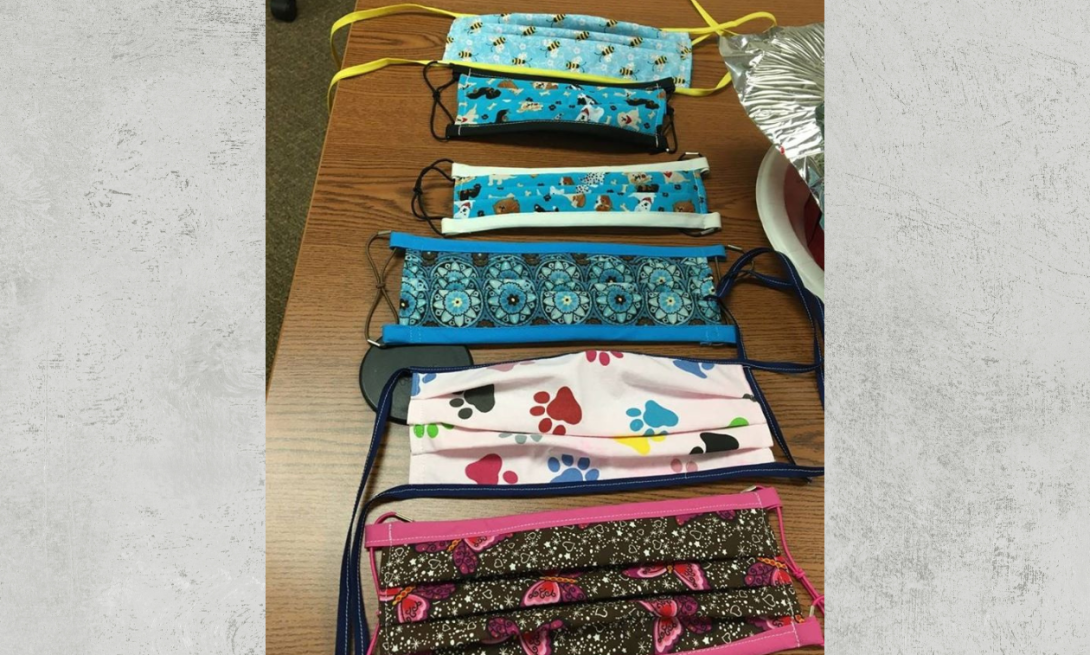
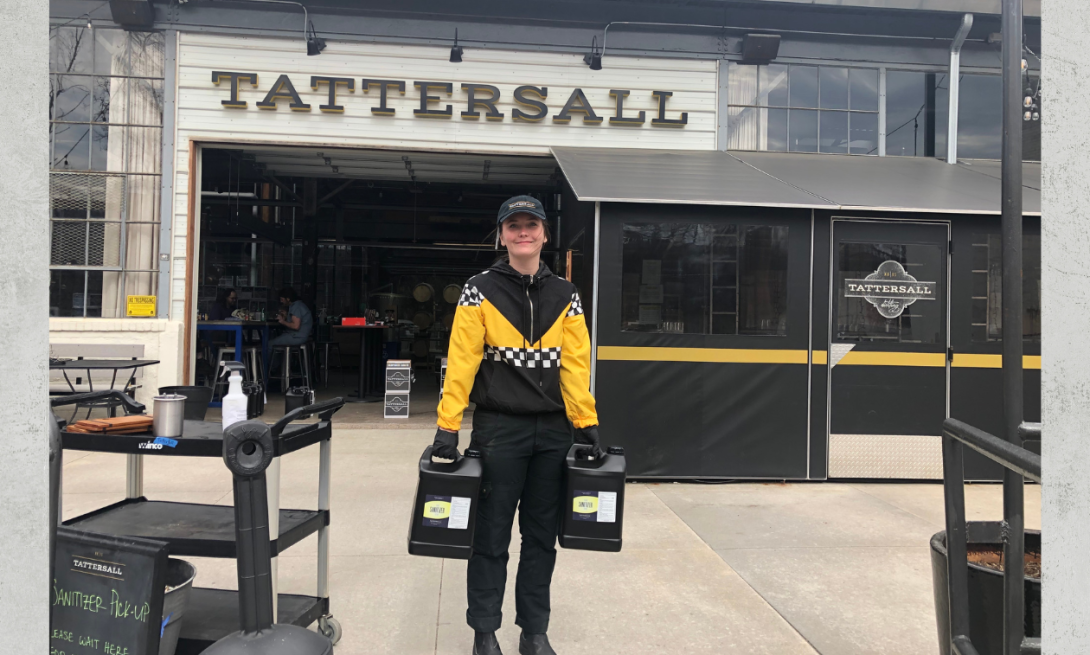
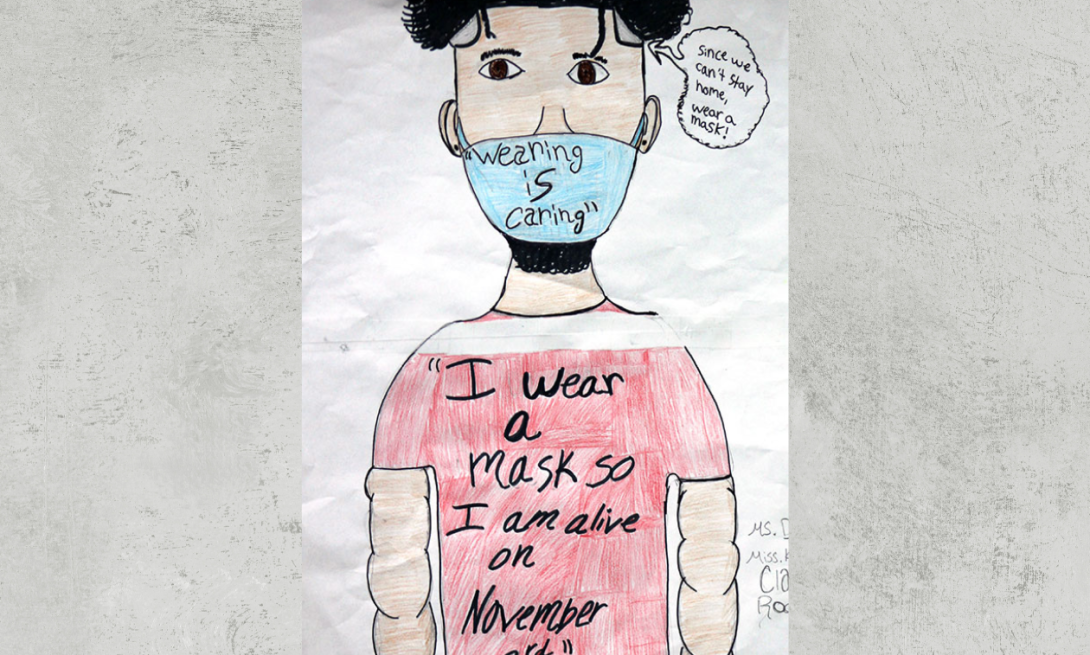
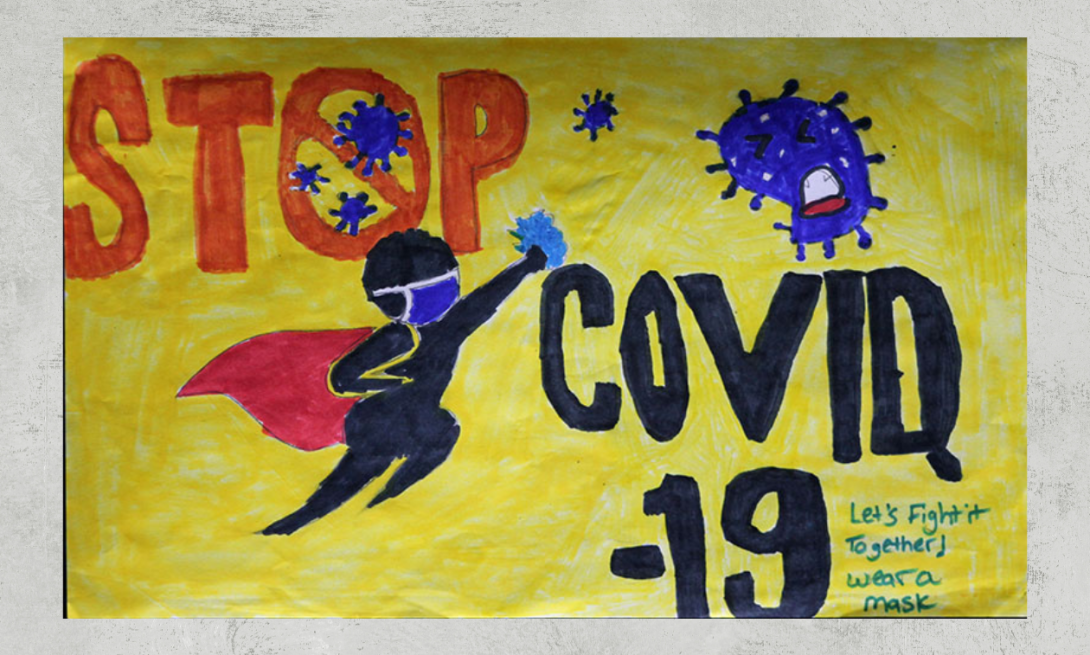
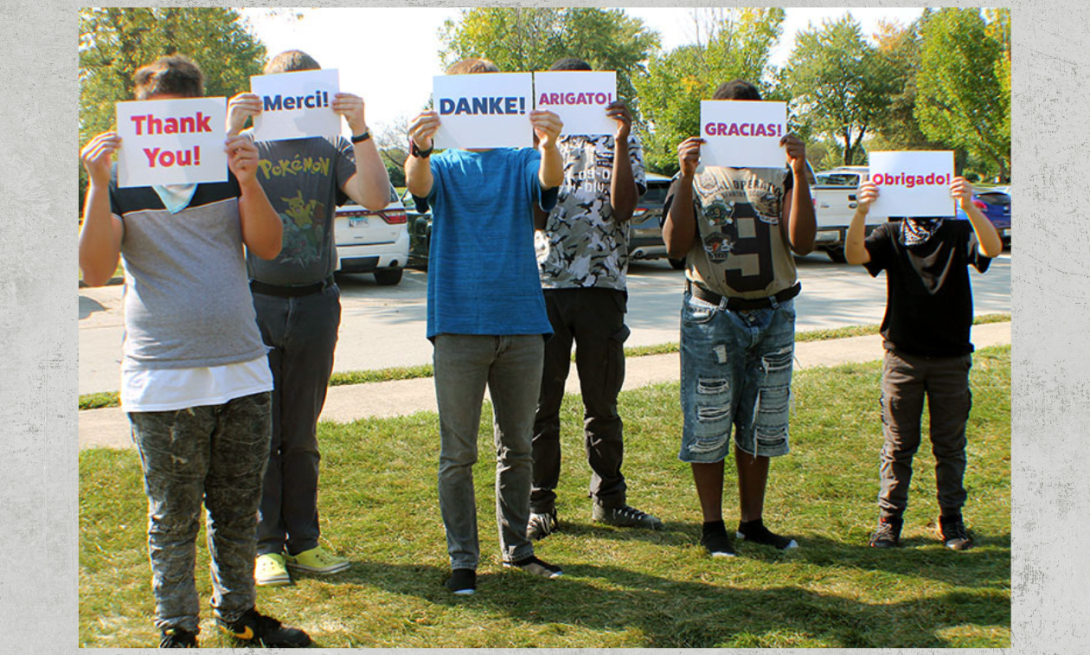
If 2020 taught us anything, it is that we can do incredible work together. With the support of our donors and our dedicated staff, we found innovative ways to provide continuous care for those in need. During COVID, we transitioned our community services to telehealth and online, and we developed new policies and procedures at every campus and office to keep our clients and staff safe and healthy.
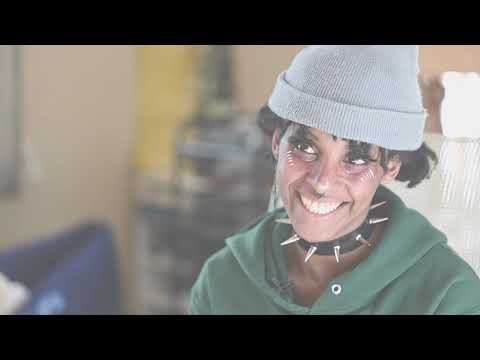
We welcomed Willow Trails Group Home (formerly Steps of Success) to our family. Willow Trails is located in Andover, MN, and serves female youth ages 12-18 who have experienced trauma and are challenged with mental and behavioral health issues with the tools they need to move forward.
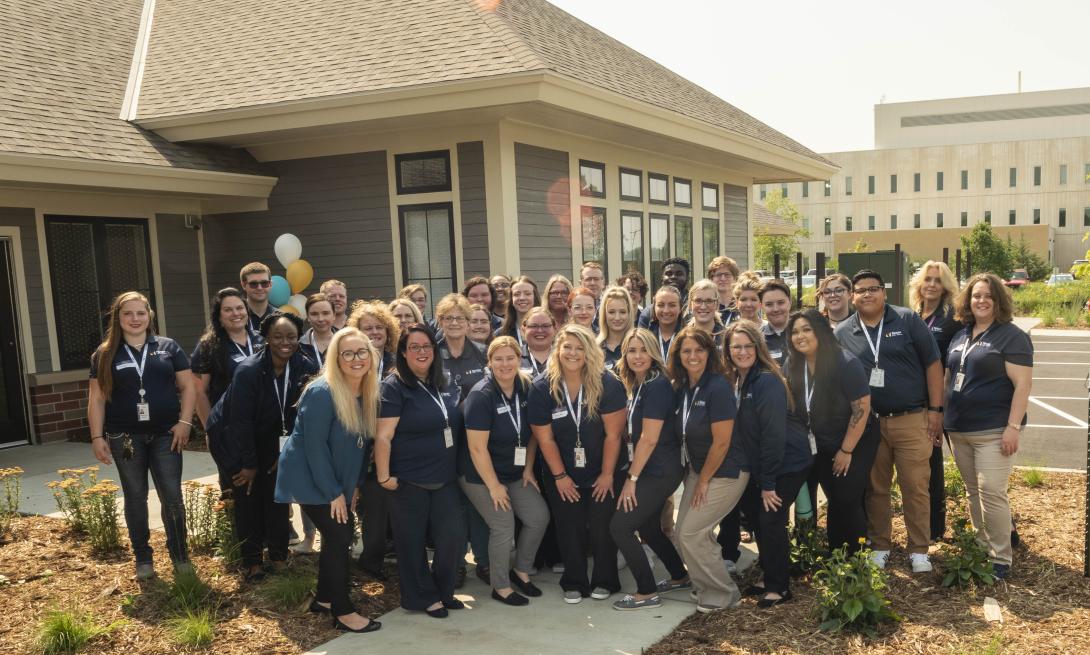
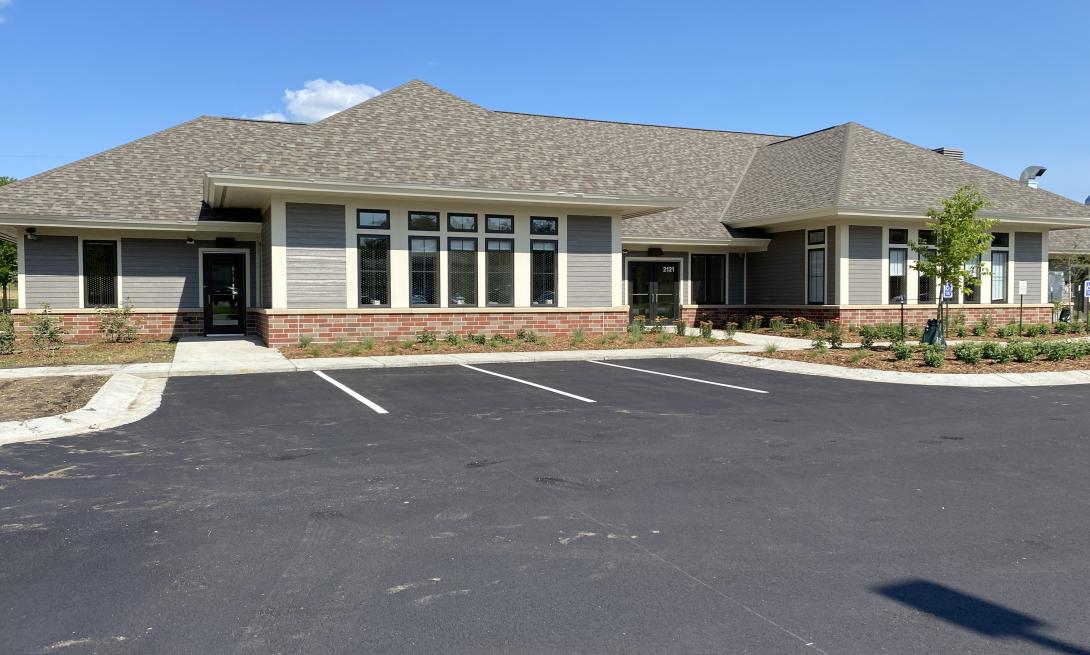
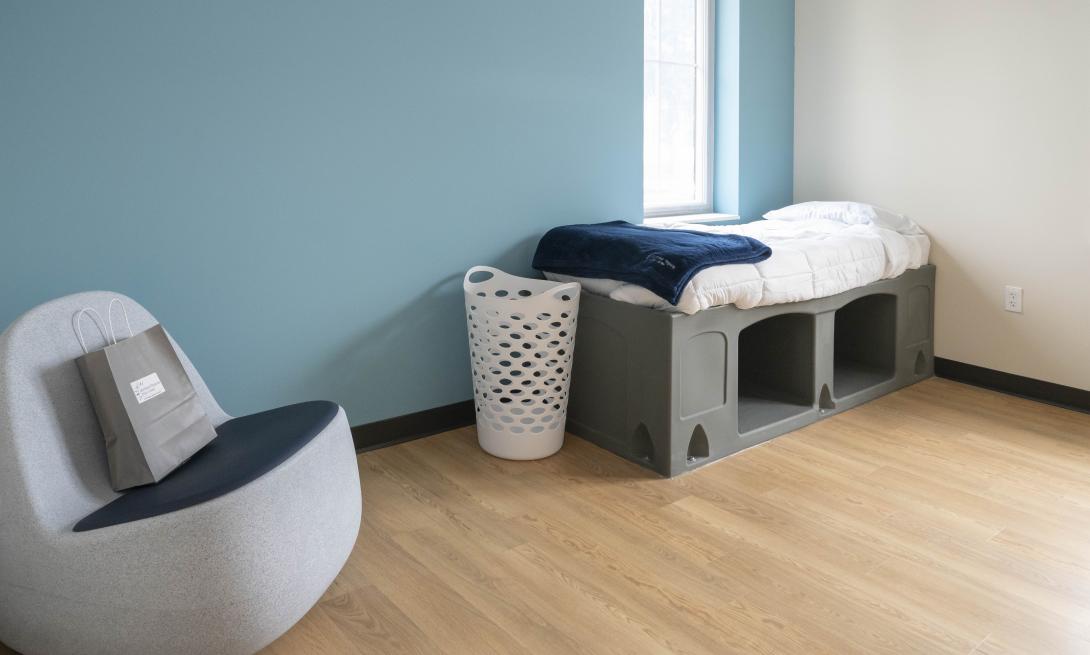
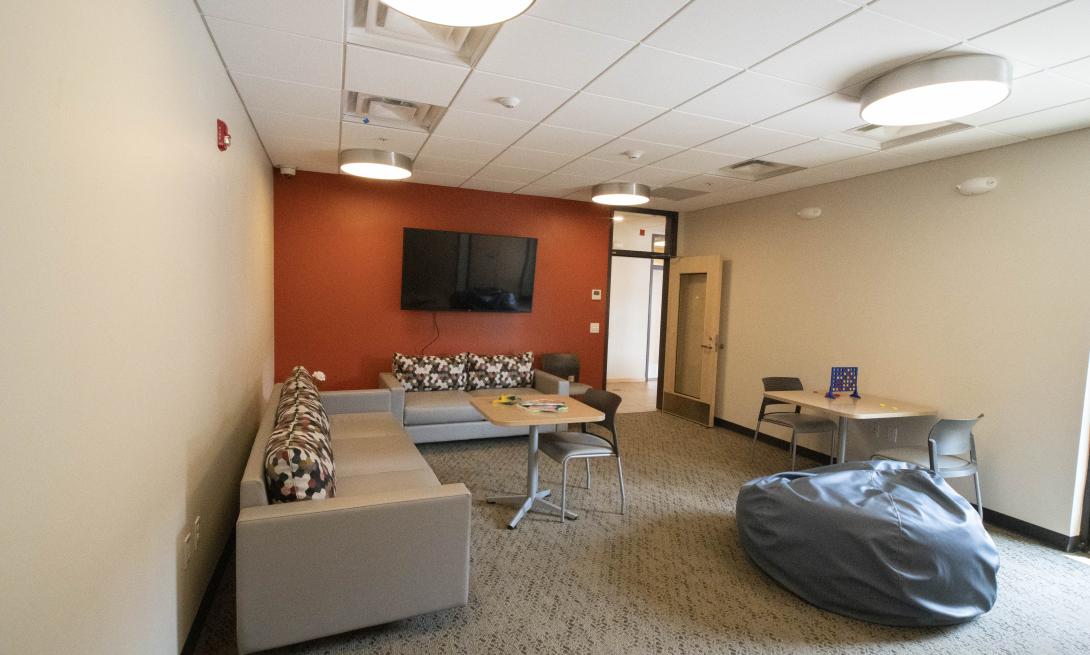
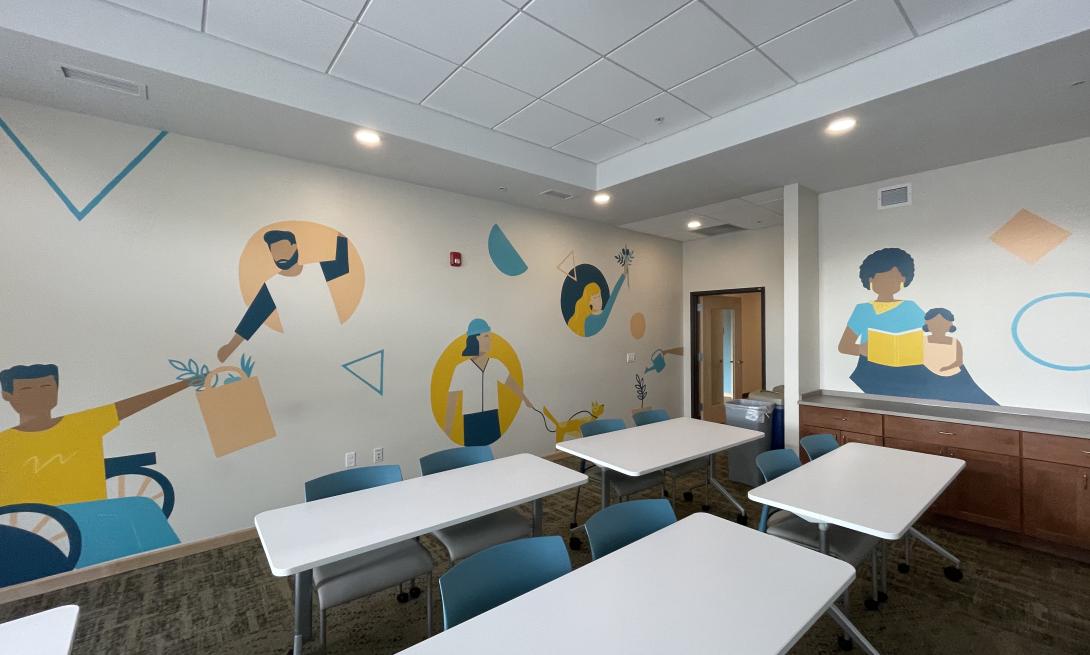
In July 2021, we joined forces with a collaboration of organizations in southeastern Minnesota to open a first-of-its-kind crisis program in Rochester. The 10-county region and key partners such as Mayo Clinic, Olmsted County Medical Clinic, NAMI, Blue Cross, UCARE and others saw a community need and together, filled the gap in services. This program, the Southeast Regional Crisis Center (SERCC), is a mental health crisis care facility that accepts walk-in clients and provides short-term residential treatment for youth (10+) and adults. As the operating partner, we provide all clinical oversight and staffing needs.
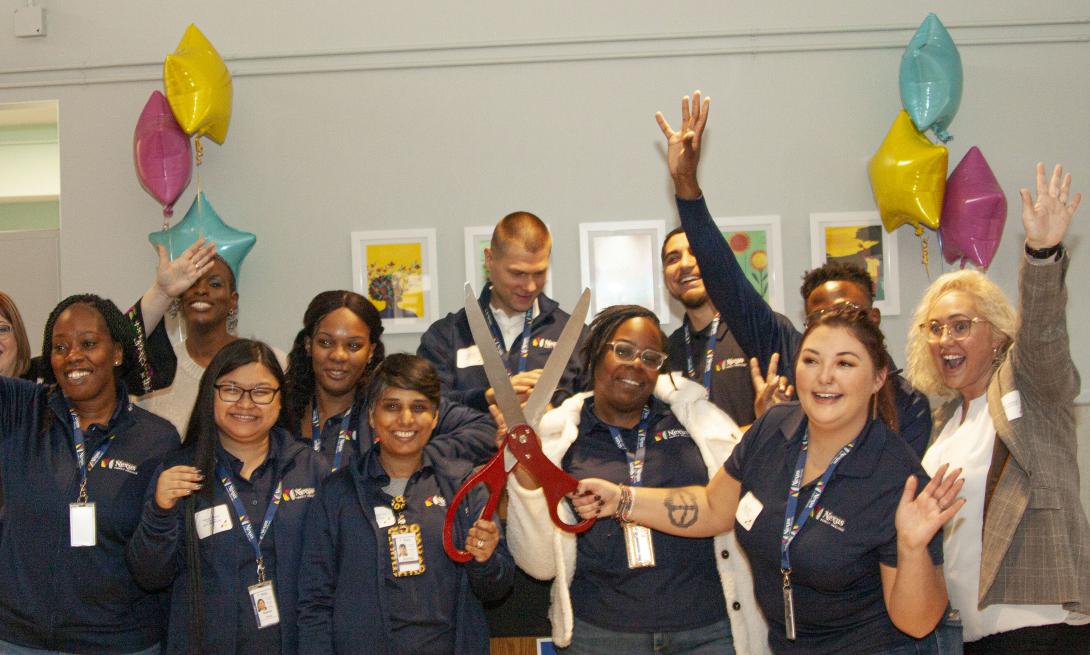
To help fill a gap in services for adolescent teens, we partnered with Dakota and Washington counties to become the operating partner for Aspen House.
Aspen House is a short-term facility located in Mendota Heights, MN, for teens in Dakota and Washington counties in Minnesota who temporarily need a safe place to live. The facility provides temporary housing as well as mental health assessments and services.
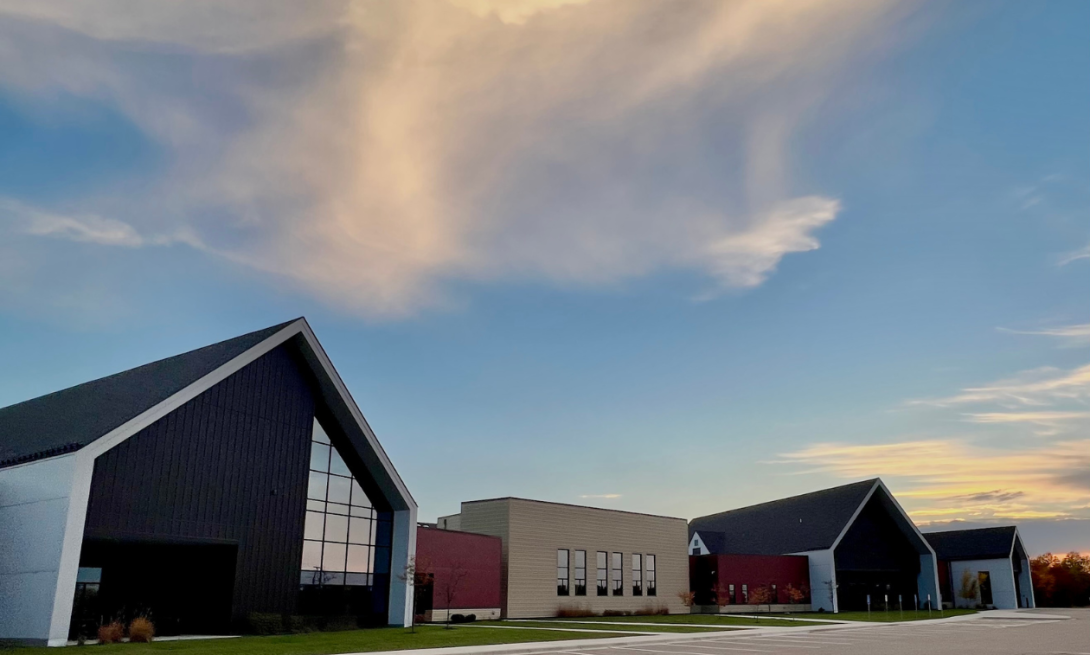
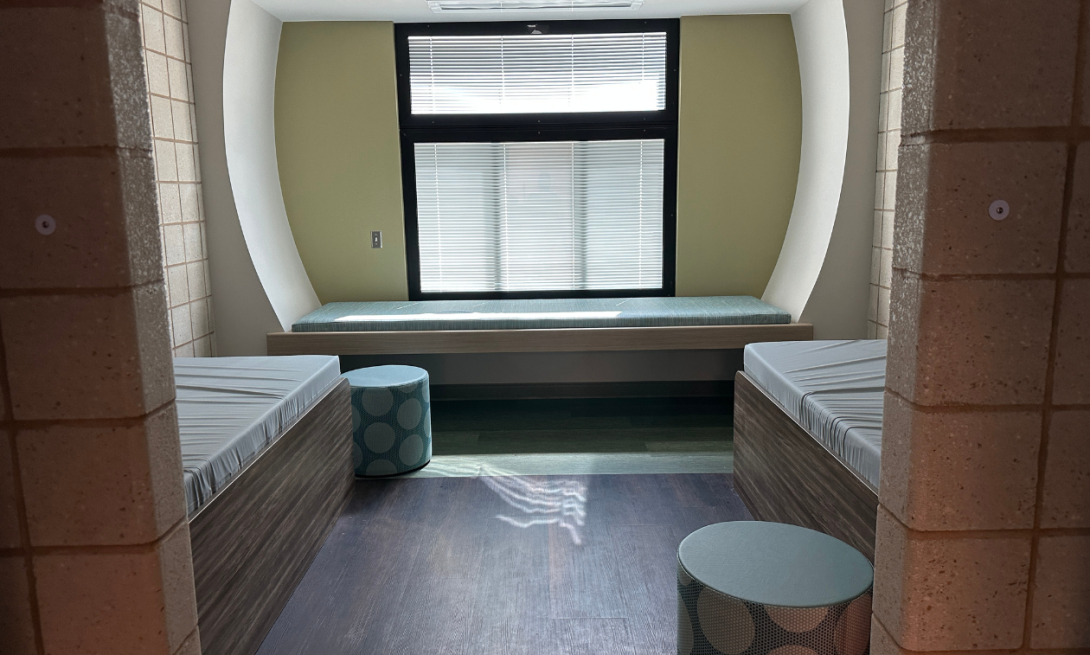
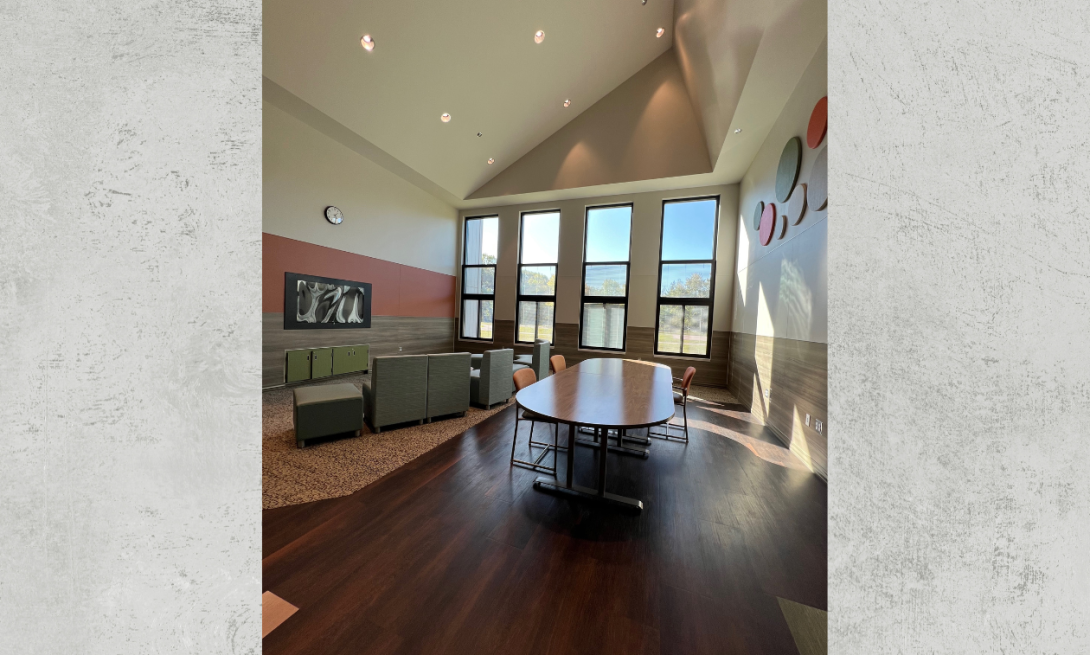
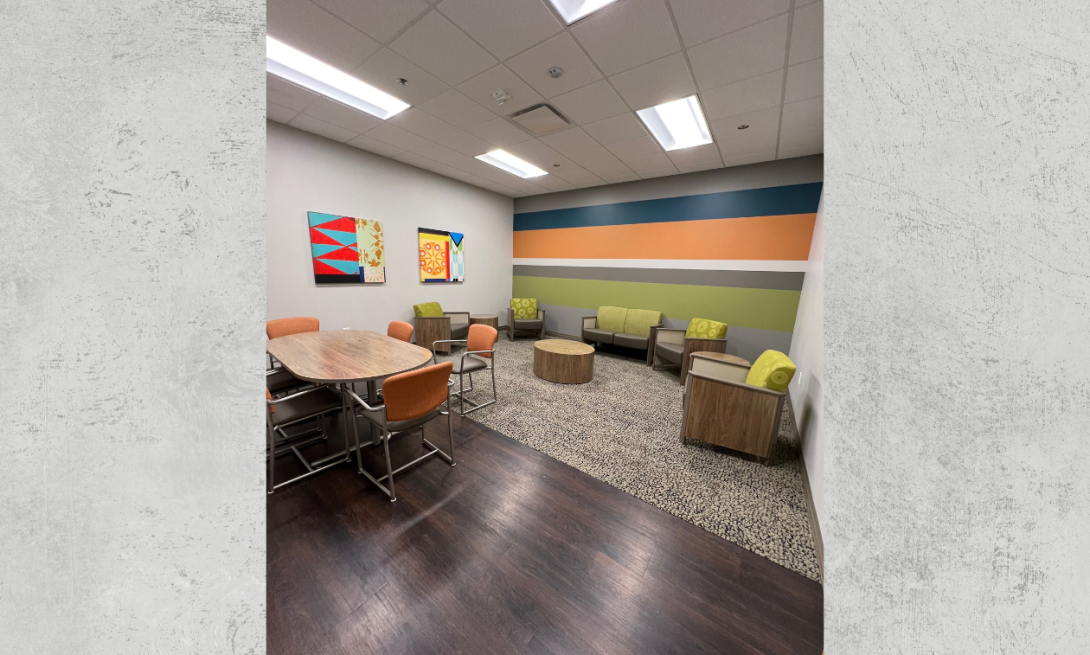
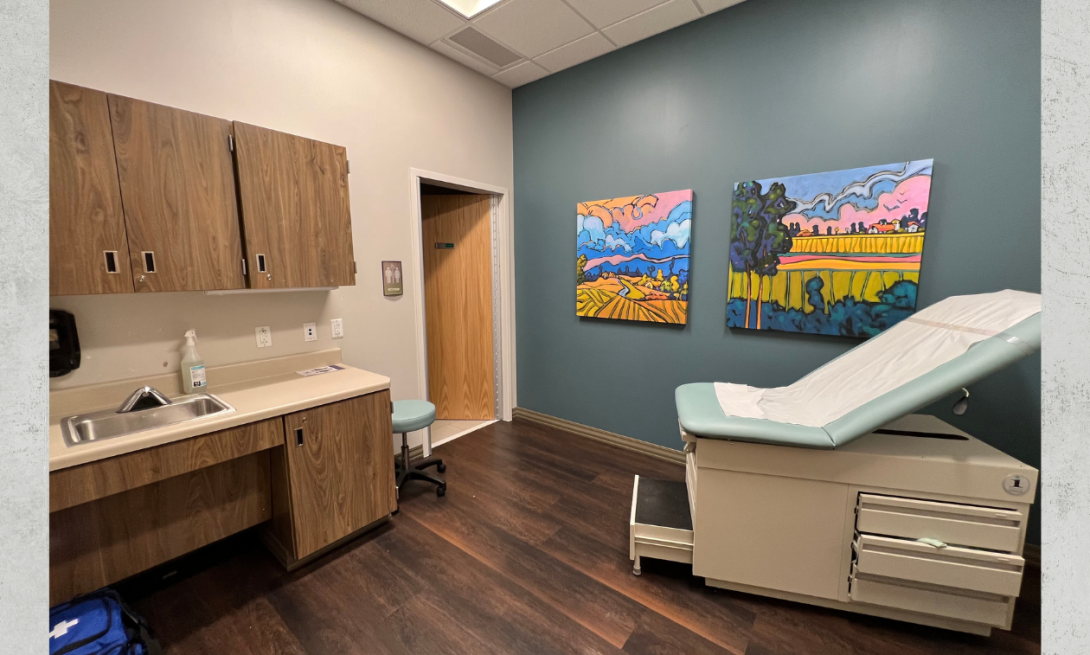
As the mental health crisis continues to rise for youth and families, we opened our first Psychiatric Residential Treatment Facility (PRTF) in East Bethel, Minnesota. This PRTF allows us to fill gaps in service and serve up to 40 youth who are dealing with higher levels of mental and behavioral needs.
Nexus to Open New PRTF, Launches Youth Care Transition Program
Nexus Family Healing expanded, opening its first mental health treatment program in Oregon. Walden Crossing is a Psychiatric Residential Treatment Facility (PRTF) supporting youth ages 10-17 with mental and developmental disabilities who have become involved in the justice system.
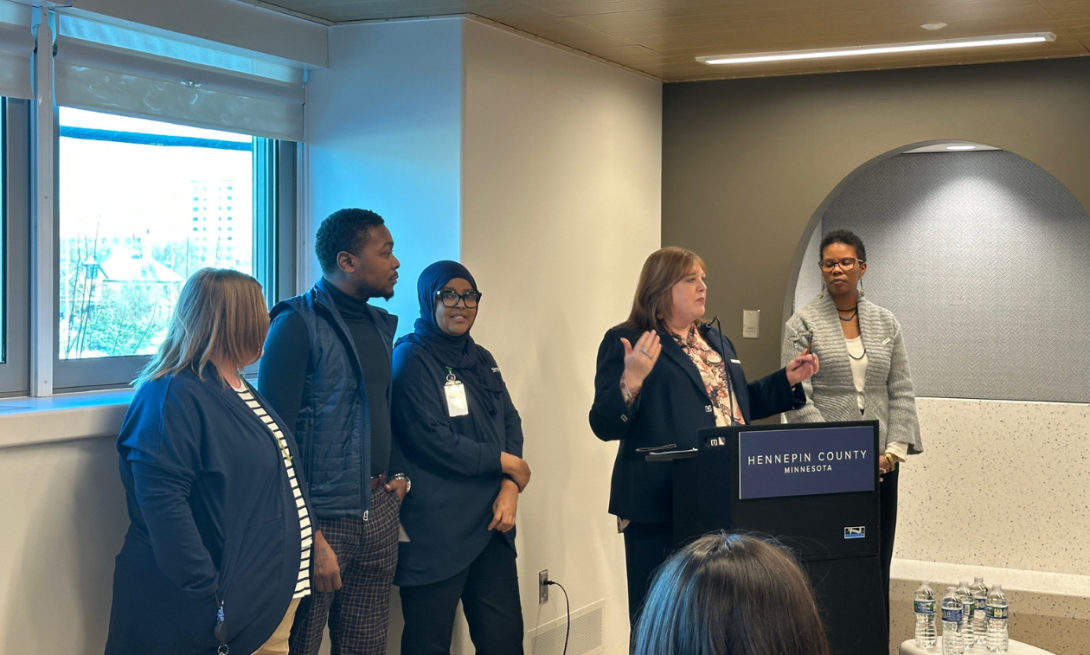
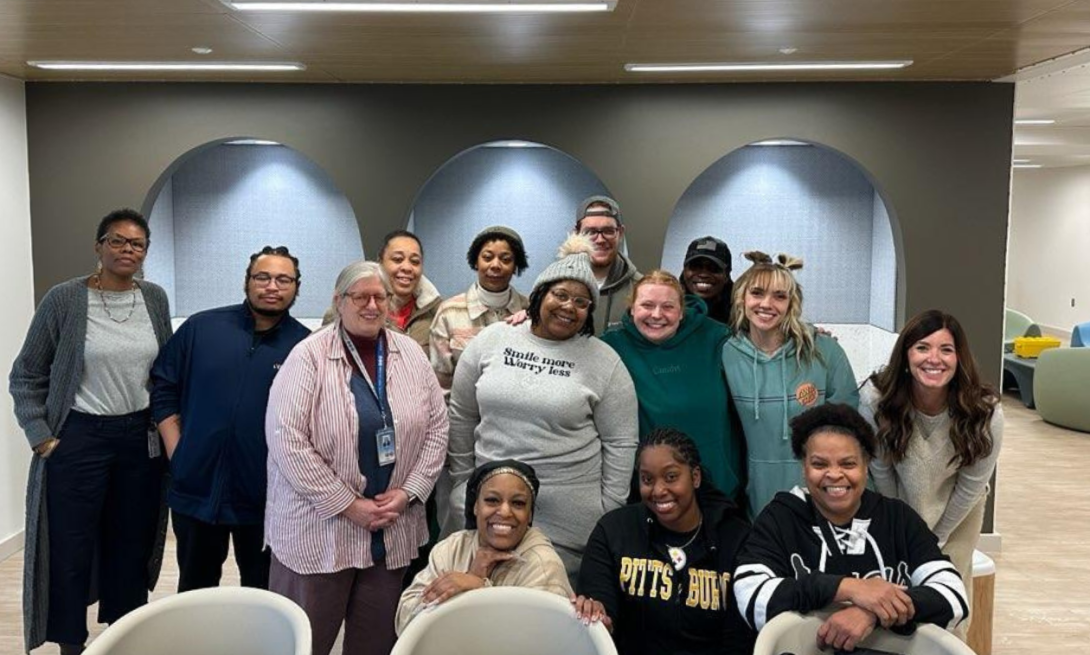
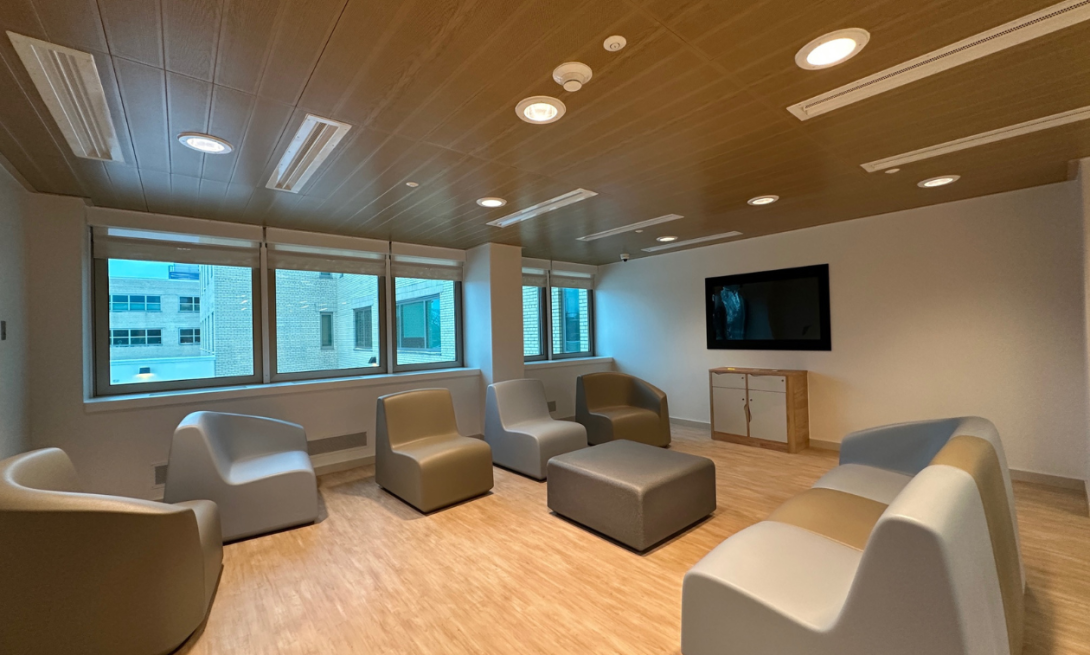
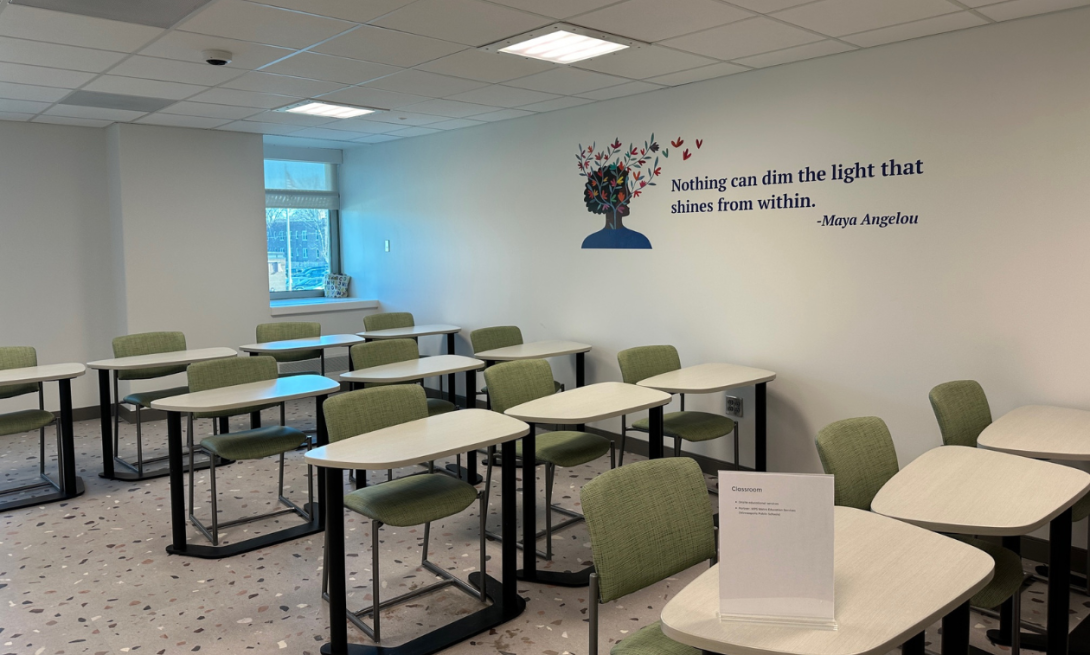
To help fill a gap in services for adolescent teens, we partnered with Hennepin County to become the operating partner for Hennepin County Youth Stabilization Center in Minneapolis, Minnesota. This innovative facility provides a new option for youth dealing with complex behavioral needs or other situations that might otherwise cause them to be placed in Emergency Rooms or Juvenile Detention. The new Center, when at capacity, will serve up to 13 youth aged 8-17 for short-term stays from 30 to 45 days, with the goal of stabilization prior to returning to their community or moving to appropriate longer-term residential facilities.