
Featured Resources
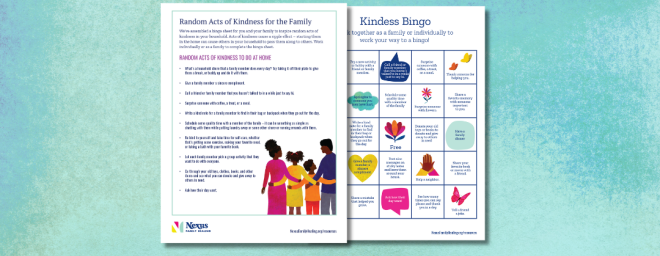
Random Acts of Kindness for the Family
We’ve assembled a bingo sheet for you and your family to inspire random acts of kindness in your household. Acts of kindness cause a ripple effect – starting them in the home can cause others in your household to pass them along to others. Work individually or as a family to complete the bingo sheet.
Raising a More Resilient Child
As a parent, one of the most important things you can do is to help your child learn to deal with the inevitable challenges that life brings. Children who can successfully manage the stressors that come into their life have lower rates of mental health issues, greater levels of happiness, and often have more success later in life.
5 Fab Ideas: Kids & Spring Cleaning
Encourage your family to take part in spring cleaning while teaching them life skills to create space, reduce stress and anxiety, and boost their overall mood with these five activities.Additional Resources

Talking to Children about Difficult Topics or Events
Our first instinct as adults is to protect children from information that contains violence, depicts the suffering of others or is deemed as “too difficult to understand.” While this is true when the information serves no purpose, when the information is fake (like TV shows and movies) or when it doesn’t have applicable meaning, you do not want to shield children from difficult conversations when they are already being exposed to real-life situations. Under these circumstances, children need to discuss life events so they can appropriately make sense out of what is happening.
A Time to Manage Expectations
One of the most important things we can do to manage our emotional and mental health is to be realistic - it’s all about managing expectations. Because of this pandemic, none of us are living the same life we were just 4 weeks ago. This means there is no guide book, expert advice, or model to lead us through. Remember, nobody has ever done what we are all doing right now.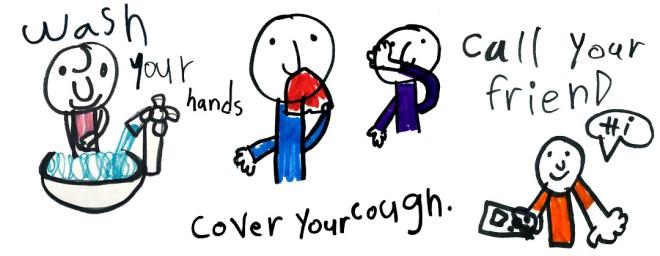
Help Calm Your Child’s COVID-19 Fears
Is your child concerned that they, you or another loved one will contract COVID-19? One activity that may help alleviate that fear is to create a Prevention Poster. Work with your child to identify their greatest fear related to the COVID-19 virus. Then, together, create a Prevention Poster with steps you can take. Doing such an activity can be fun and help give your child a sense of control and purpose in this unsure situation.
Parent Resources
Nexus is committed to involving families in the treatment process. That includes providing information and resources to help you better understand your child's mental health and family needs during this time.
Talking to Your Kid about Their Drug or Alcohol Problem
Many parents don't notice the signs of their child's drug or alcohol abuse right away. Often times, a child has developed a serious problem before parents begin to suspect anything is wrong. Results from Partnership for a Drug-Free America's Attitude Tracking Study reveal that only 14% of surveyed parents acknowledged the possibility of their teen trying marijuana, while 42% of the polled teens admitted to having smoked marijuana. Teens hide their alcohol and drug use from their parents, and parents seem to deny their child is using drugs and alcohol.
Understanding Self-Harm
Intentional self-injury is one of the leading reasons American teens and young adults end up in the emergency room. Self-harm can be done in a number of ways, the most common being cutting, burning, hitting, picking at the skin, pulling out hair, biting, and carving. The following list can help you identify self-harming behaviors in your child:
Responding to Your Child's Anger
All humans experience anger, and your child is no different. A child's brain often cannot process their emotions, especially during a stressful time. That can result in an emotional or behavioral outburst. Parents typically resort to one of two reactions when their child is acting out.
A Parent's Shame
The sad truth is that parents of children with mental health issues often do not receive the emotional support they need from family and friends. In fact, the phone may fall silent, invitations may disappear, and conversation can become trivial. It's possible friends or family may even attack you with implied or outright blame for your child's emotional or behavioral problems.