

From Prevention to Treatment
Understanding Mental Health Services
Every family faces challenges, and mental health is a key part of overall well-being. Whether you’re helping a child manage stress, supporting a teen through tough times, or seeking care for yourself or a loved one, the right support makes all the difference. From everyday practices to professional treatment options, mental health care isn’t one-size-fits-all. Understanding these choices can help your family stay strong, connected, and supported—every step of the way.
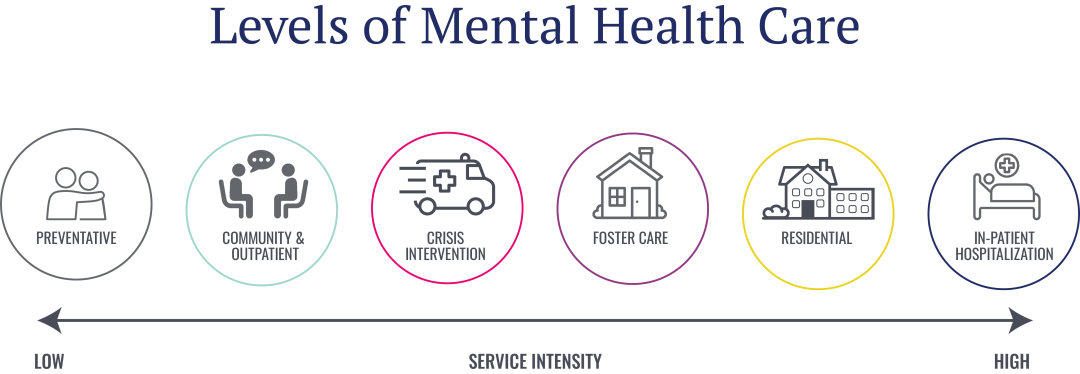
- Preventative Care builds healthy coping skills to address issues on the front end. This can include mental health education, school programs that teach coping skills, or workplace wellness programs. Support groups and mental health screenings also help catch issues early.
- Community & Outpatient Services provide individual, group or family therapy, counseling, and medication management while you continue your daily life. Services can be at clinics or private offices.
- Crisis Intervention helps people in immediate distress, like during a panic attack or suicidal thoughts or in an unsafe situation. Crisis hotlines, mobile response teams, and short-term stabilization centers offer immediate relief, much like an emergency room.
- Foster Care provides safe, supportive homes for children facing trauma or instability, including therapeutic foster care for those with complex mental health needs.
- Residential Care offers 24/7 structured support in group homes or treatment centers for those needing longer-term help. Residential interventions can vary on the intensity of services, but generally provide therapy, medication management, and daily life support.
- In-Patient Hospitalization is for severe mental health crises, like suicidal action, psychosis, or extreme depression, offering intensive care in a hospital setting to stabilize and support recovery. Hospitals provide intensive care, medication, and therapy in a safe place until the person is stable enough to return home or a less restrictive environment.
At Nexus Family Healing, we provide a range of mental health services to support children, families, and individuals in their journey. No matter what you or your loved one is facing, there is a level of care that fits your needs. Learn more about the options available through Nexus at www.nexusfamilyhealing.org.
Before It’s A Crisis Video Series
Learn how you can be part of the prevention with our short “Before It’s a Crisis” video series with valuable tools and tips from mental health experts at Nexus such as:
- How to have hard conversations with my child.
- How depression in teens and suicide are linked.
- Teen suicide prevention tips and warning signs to watch for.
- Recognizing the different stages leading up to, during, and after a mental health crisis.
Hard Conversations with Teens
Youth Suicide Prevention Tips
Connections between Depression & Suicide
The Crisis Curve
Downloadable resources
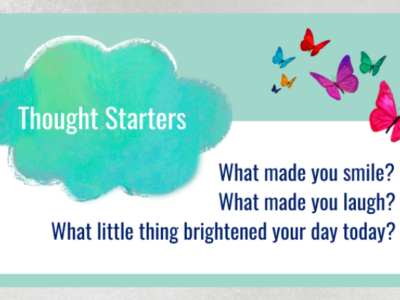
Conversation Starters
Conversation startersto get past the generic “I’m fine” response and learn more about how your family is feeling.
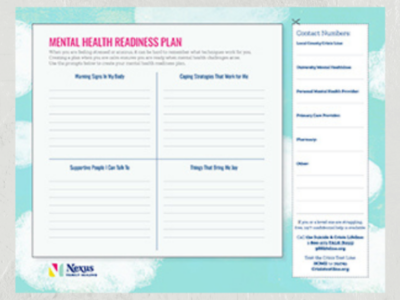
Mental Health Readiness Plan
When you are feeling stressed or anxious, it can be hard to remember what techniques work for you. Creating a plan when you’re calm ensures you are ready when mental health challenges arise. Fill out the wallet-size card to create your mental health readiness plan.