
Featured Resources
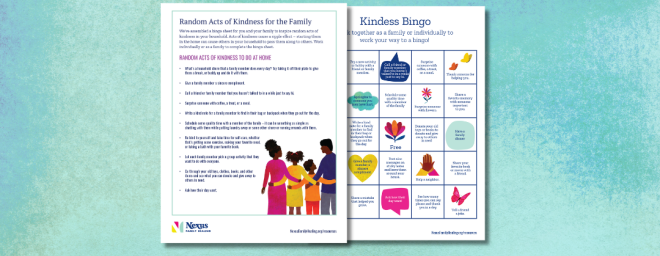
Random Acts of Kindness for the Family
We’ve assembled a bingo sheet for you and your family to inspire random acts of kindness in your household. Acts of kindness cause a ripple effect – starting them in the home can cause others in your household to pass them along to others. Work individually or as a family to complete the bingo sheet.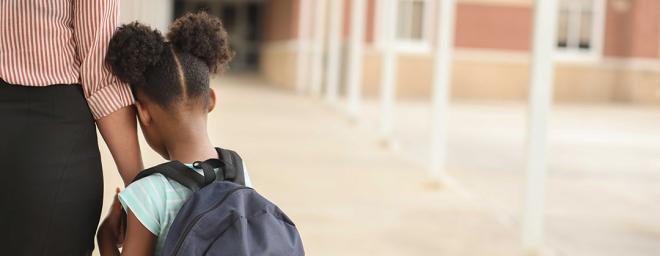
Raising a More Resilient Child
As a parent, one of the most important things you can do is to help your child learn to deal with the inevitable challenges that life brings. Children who can successfully manage the stressors that come into their life have lower rates of mental health issues, greater levels of happiness, and often have more success later in life.
5 Fab Ideas: Kids & Spring Cleaning
Encourage your family to take part in spring cleaning while teaching them life skills to create space, reduce stress and anxiety, and boost their overall mood with these five activities.Additional Resources

Is Spanking Children an Effective Consequence?
I would like information about how to discipline my children. I was spanked as a child and I have mixed feelings about it. I find that I am starting to spank my children and while it sometimes stops their behavior, they just do the same bad thing next time. My friends tell me that spanking doesn’t work, and they don’t think I should be doing it. My parents think it is important to be strict so that my children learn the right behavior. Is it okay to spank your child?
Back-to-school tips with Luke Spiegelhoff
As the new school year begins some kids are very excited and others might start to get anxious. Luke Spiegelhoff, Nexus-FACTS Clinical Director, provides tips on how you can help your child cope with anxiety.
Back-to-school tips with Brad Franklin
As families prepare for the new school year, tune in with Head Principal Brad Franklin at Carl Ben Eielson Middle School for tips on how to help kids adjust!
Last Minute To-Do's Before Back-to-School
Summer vacation will soon be over and the new school year will begin. There are many ways to help get your family off to a great start in the new school year by scheduling doctor appointments early, creating a routine, getting organized, and building a partnership with your child's teacher.
Gossip From Other Parents Is Affecting My Daughter and Her Friends
My ten-year-old daughter hangs out with a group of girls whose parents I actually don’t care for. I think we just have different values in our family. With this parent group, there is a lot of gossiping, worrying about what others think or getting into their business, or talking down about other families. I am hearing the girls have the same kind of conversations and it is starting to worry me. What do I do as a parent? These are her friends.
Worry Buddies
These handy little helpers can remind your child they are not alone. Worry Buddies can go with your child anywhere they go, always there to help them cope and take on your child's worries so they can move forward.
Navigating Power Struggles
Power struggles are not enjoyable – when two people or parties are competing for control or influence, it makes for a very uncomfortable and frustrating experience. The more we can self-regulate the better we will be at dealing with difficult situations. Check out four strategies that will help guide you to avoid power struggles.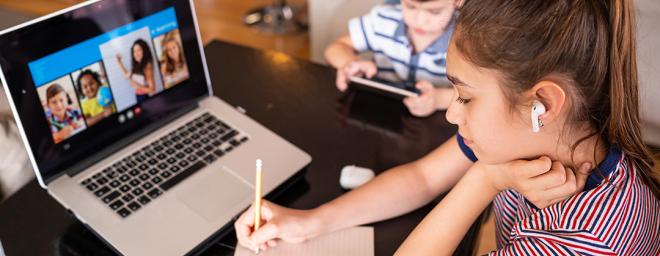
Your Child and Virtual Learning
As summer ends the reality (whether parents, students, or school systems like it or not), is that most students are headed toward a mostly or entirely virtual fall.