
The month of October recognizes Domestic Violence Awareness. As someone with both lived and professional experience, I wanted to take some time to spotlight the impact of domestic violence on families as well as our communities.
First, how do we define domestic violence? From my experience, domestic violence can be hard to define, especially because there are several lenses it can be viewed through – civil or criminal law, child protection statutes, or even behavioral health. The reality is that the definition depends on the context, and even then, it can’t cover all the complexities of domestic violence. The one thing that is always true is domestic violence spans across family systems and impacts not only the survivor and their families but for communities, too. No matter the definition, domestic violence is much more than two words.
Impact on Survivors and Children
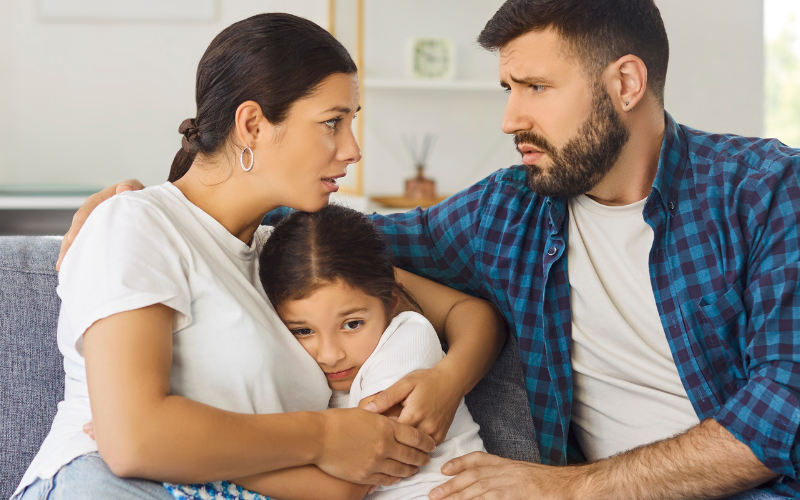
Domestic violence can have deep-rooted impacts beyond the obvious bruises and scars. While working with family violence issues, I have seen exposure to domestic violence cause mental health issues, housing issues, legal implications, and at times cognitive impairment for children.
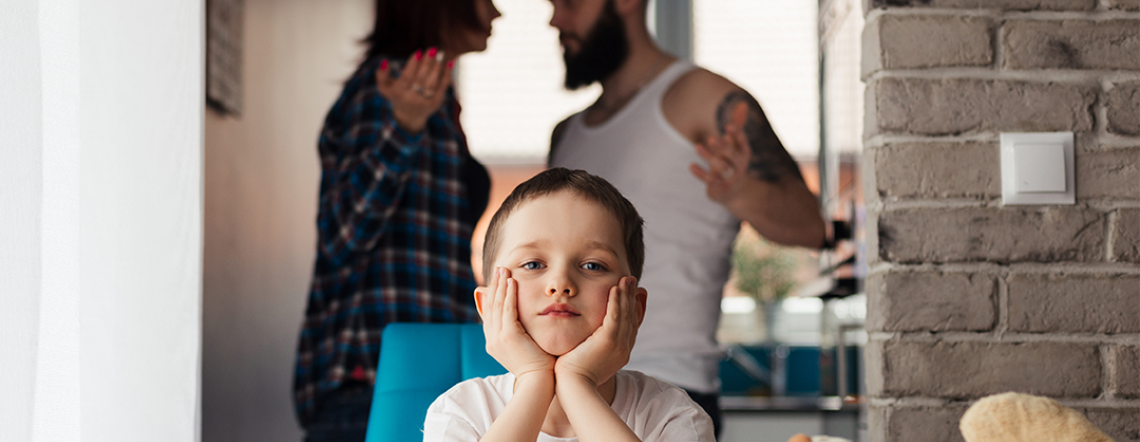
When children are exposed, they often end up in a constant state of heightened alert. This becomes the norm for their growing brains and can greatly impact typical development. What may appear as a child having behavioral struggles, depression, or educational issues may actually be a child whose trauma is showing up.
One of the most eye-opening experiences for me was learning that children exposed to prolonged domestic violence have brains that look similar to combat veterans in brain scans. How could I as a professional and survivor myself ignore this and not be drawn to interrupt the cycle? I couldn’t. The harsh reality is that abuse has lasting implications long after it has ended, and therein I found my mission to help and educate others like me.
Many survivors I work with develop PTSD, anxiety, physical effects, and some even experience miscarriage due to the stress their bodies underwent. Walking alongside someone experiencing intense fear, isolation, and a constant feeling of walking on eggshells made it clear that families dealing with domestic violence often function in survival mode, focusing on mitigating the next big blow up and doing all they can to get to the next day. For myself, I couldn’t see this when I was in the dark cloud of domestic violence, and I’m certain many others don’t see it either – but that’s why I’m here to help. Although I’ve witnessed and experienced these impacts myself, I’ve also seen change and hope as families heal from trauma.
Impacts on the Community
From my experience, putting survivors and offenders into a box with a label doesn’t help solve the issue. For example, if we focus on punishing the offender and expecting the survivor to leave their partner, we only exacerbate the shame, isolation, and self-blame that families feel.
Although domestic violence is often a family secret, it reaches far beyond the family system. Our judicial system has a heavy burden with legal cases of domestic violence, our school systems struggle to help children who are behind or missing school due to violence at home, and our mental health system is drowning trying to help offenders and survivors deal with the impacts. The result is our communities struggle to provide offenders with proper treatment and survivors the protection they need and can often create an even worse situation for families. The issue isn’t that our communities and providers aren’t doing the right work, the need is simply greater than what we have resources for.
This overwhelmed system often leads families to try to solve the issue themselves, which ends in the widespread community stigma laid at the feet of survivors. How could we reasonably expect a survivor to come forward knowing that they will most likely feel at fault for the violence by being told they should “just leave.” Instead, providers and communities can respond by supporting survivors, investing in treatment programs that help offenders, and acknowledging that domestic violence is everyone’s responsibility.
What You Can Do
If you or someone you know is experiencing domestic violence, there is help and there are ways to break the cycle. We can start by using domestic violence informed language: instead of saying “You should just leave,” try “How can I help you be safe?” or “How can I support you?”
Let children know the abuse is not their fault, that they are not alone, and that you hear them. Advocate for domestic violence treatment programs that are accessible to offenders; many times individuals want to change their behavior patterns but don’t have a resource to do so. Lastly, we can be aware that domestic violence can happen to anyone and your response can make a world of difference.
If you need help, reach out to the National Domestic Violence Hotline:
Call 800-799-7233 (SAFE)
Text “START” to 88788
Or chat online https://www.thehotline.org/
This blog article was contributed by Jennifer Peterson, Mobile Response Coordinator.