
Host Homes in North Dakota
Every life-changing journey starts with a single Yes.
Host Homes connects youth ages 10-19 with intellectual and developmental disabilities to safe, supportive homes in their communities. As North Dakota’s only state-certified Host Homes program, Nexus Family Healing carefully matches each youth with a trained Host Home provider based on personality, interests, communication style, support needs, and goals.
Contact us for more information
- Email: [email protected]
- Call: Fargo: 701-280-9545 / Bismarck: 701-224-9611
- Text: 701-850-9335
Program snapshot
- Serving within a 60-mile radius of Bismarck or Fargo
- For individuals with intellectual or developmental disabilities
- Safe, supportive family environment
- Individualized care and attention
- Skills for independence
- Provides meaningful relief and partnership for their primary caregivers


Why Host Homes matter
Although new to North Dakota, the Host Homes program is a proven and successful model nation-wide.
- The youth we serve have a wide range of intellectual, developmental, and physical disabilities who thrive in a family setting right here in North Dakota, rather than a group or community living environment.
- There is a growing need for this innovative service across our state. Youth with disabilities in this region need Host Homes because they allow individuals to live with a family, not in a facility, while remaining active, engaged members of their communities.
- Host Home providers play a critical role in supporting youth as they grow, gain independence, and work toward the ultimate goal of reunification with their natural families.
- Through Host Homes, youth build relationships and greater independence. It’s more than housing. It’s belonging.
What Host Home providers do
- Host Home providers are more than caregivers. They become trusted mentors, advocates, and members of an individual’s support system.
- Together, they share meals, celebrate milestones and holidays, attend appointments, and navigate everyday life.
- Providers offer daily support with personal care, life skills, transportation, and participation in community activities.
- They also encourage and assist youth in pursuing personal goals, building independence, and developing skills for the future.
- Most importantly, North Dakota Host Home providers create a safe and stable environment that fosters dignity, independence, inclusion, and connection.
Benefits of becoming a Host Home provider
Our dedicated team provides ongoing training, resources, and support to both youth and providers, helping each placement foster belonging, growth, and long-term success.
Help a young person right here in North Dakota reach their potential, gain independence, and build a bright future. Being a Host Home Provider is a deeply meaningful way to make a lasting impact while offering not just a place to live, but a place to belong.
Training and Support
- You don’t have to be perfect. You simply need to be compassionate, patient, and committed to helping others.
- We provide comprehensive training, resources, and ongoing guidance from a dedicated team of professionals at Nexus Family Healing, so you can feel confident and supported every step of the way.
- You’re never alone with Host Homes – Nexus Family Healing will be there to help you every step of the way.
Compensation
- Receive reimbursement for the care and support you provide, making it a rewarding partnership for everyone involved.


Host Homes FAQs
What is a Host Home?
A Host Home is a private residence where a trained and screened individual or family welcomes a youth with a disability into their home. Host Home Providers offer a safe, supportive, family-style environment while helping youth build independence, develop life skills, and stay connected to their community.
How is Host Homes different than Foster Care?
While the Host Home model provides many of the same wraparound supports as foster care, there is one important difference: parents or caregivers maintain custody of their child while the youth receives out-of-home support in a Host Home setting. In foster care, custody is typically transferred to the state or another authorized agency.
What does a “qualified family” entail? What are the requirements to become a Host Home?
To become a qualified Host Home provider, individuals must meet several requirements to help ensure a safe, supportive, and stable environment for youth.
Host Home providers must:
- Be at least 21 years of age
- Pass a comprehensive criminal background check for all adults living in the home
- Successfully complete a home study and licensing process
- Complete 12 hours of annual training
- Maintain liability insurance
- Provide three personal references
Throughout the licensing and approval process, a dedicated Nexus Family Healing team member will guide and support you every step of the way, answering questions, providing resources, and helping ensure you feel prepared and confident as a Host Home provider.
What exactly will I do as a Host Home Provider?
The level of support varies based on each youth’s unique needs. Responsibilities may include:
- Providing a safe and welcoming home environment
- Assisting with daily routines and life skills
- Providing transportation to appointments, school, work, or community activities
- Encouraging social connections and community involvement
- Offering guidance, stability, and emotional support
You are not expected to do this alone. Nexus Family Healing provides ongoing support whenever you need it.
Do I need experience supporting youth with disabilities?
No. Many successful Host Home Providers come from a variety of backgrounds and have no previous professional experience in disability services. Compassion, patience, flexibility, and a willingness to learn are most important.
Do I need special training?
No prior training is required before applying. All Host Home Providers complete required training and screening before being matched with a youth.
Will I receive support from Nexus Family Healing?
Yes! Host Home Providers receive ongoing support throughout their experience, which may include:
- A dedicated case manager
- 24/7 on-call support
- Ongoing training opportunities
- Access to resources and guidance
Connection with other Host Home Providers for peer support
Is there financial support for Host Home Providers?
Yes. Host Home Providers receive a monthly stipend to help offset the costs associated with supporting a youth.
Do I have to own my home?
No. Both homeowners and renters may be eligible to become Host Home Providers, provided the living arrangement meets program requirements and receives approval through the certification process.
What if I live in an apartment, townhome, or mobile home?
You may still qualify. A variety of housing types can be approved as Host Homes as long as the residence provides a safe and appropriate environment for the youth.
Can I work full-time and still be a Host Home Provider?
In many cases, yes. Eligibility depends on the needs of the youth and the support available within your household. Our team will work with you to determine whether a Host Home placement is a good fit for your lifestyle.
What is the screening and certification process?
The certification process typically includes:
- An application
- Background checks
- Reference checks
- Home study and/or home visit
- Required training
How long does it take to become certified?
The timeline varies based on individual circumstances and how quickly required paperwork, training, and screening components are completed.
What ages and support needs do the youth have?
Youth served through the Host Homes program are 10-19 years old may have a variety of disabilities and support needs.
How long would a youth live with me?
Every situation is unique and there’s no limit to how long a youth can spend with a Host Home provider.
What if a placement isn’t a good fit?
Our team works hard to make thoughtful matches between youth and Host Home Providers. If challenges arise, ongoing support is available. If a placement is not successful, Nexus Family Healing has a process in place to address concerns and prioritize the wellbeing and safety of everyone involved.
What is the goal of the Host Homes Program?
The program’s goal is to provide safe, caring, supportive homes for youth with disabilities with the ultimate goal of reuniting them with their natural families.
How many Host Homes are needed in North Dakota?
The need for Host Homes continues to grow, and additional providers are needed across North Dakota to ensure youth with disabilities have access to supportive, community-based living options.
I’m interested, but I’m nervous. What should I know?
That’s understandable and something we hear often. Most Host Home Providers begin the process with questions and uncertainty. Our team is here to guide you every step of the way through training, matching, placement, and ongoing support. You don’t need to be perfect; you simply need a willingness to provide a safe, caring, and supportive home.
I want to learn more. How do I get started?
If you’re interested in Becoming a Host Home, contact us by:
- Email: [email protected]
- Call: Fargo: 701-280-9545 / Bismarck: 701-224-9611
- Text: 701-850-9335

Our locations
North Dakota Host Homes are offered in the following locations.
Fargo Office
1202 28th St. S
Fargo, ND 58103
701-280-9545
Bismarck Office
600 South 2nd Street
Suite 220
Bismarck, ND 58504
701-224-9611

“It hasn’t always been the smoothest ride, but it’s been the most enjoyable ride I’ve ever had. I wouldn’t give it up for anything.” – Foster Parent
Learn, connect, and get involved
From the blog

Helping Your Anxious Child Find Their “Window of Tolerance”
Anxiety is a normal part of childhood, but it can sometimes feel overwhelming. Discover strategies to help children understand their worries, strengthen coping skills, and build resilience over time.
Stories of Hope/Impact
A Family Built with Love, Healing, and Purpose
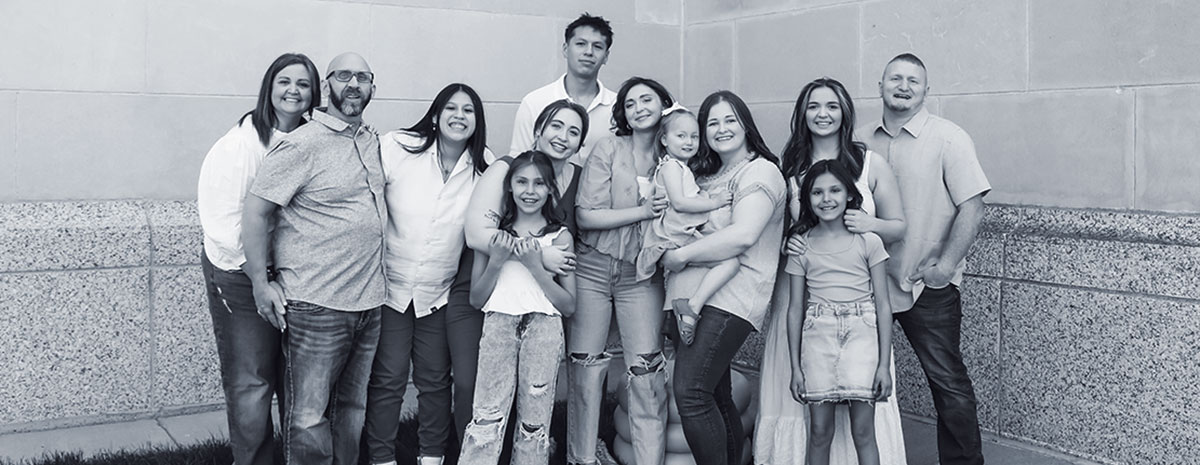
Keri and Drew always knew that adoption and foster care would be part of their journey to grow their family.
Resource

Family Joy Journal
A four-week journal to share positive notes with your family each day.